





Talk to an Expert
Call our travel team for immediate guidance on itineraries, pricing, and trip planning.
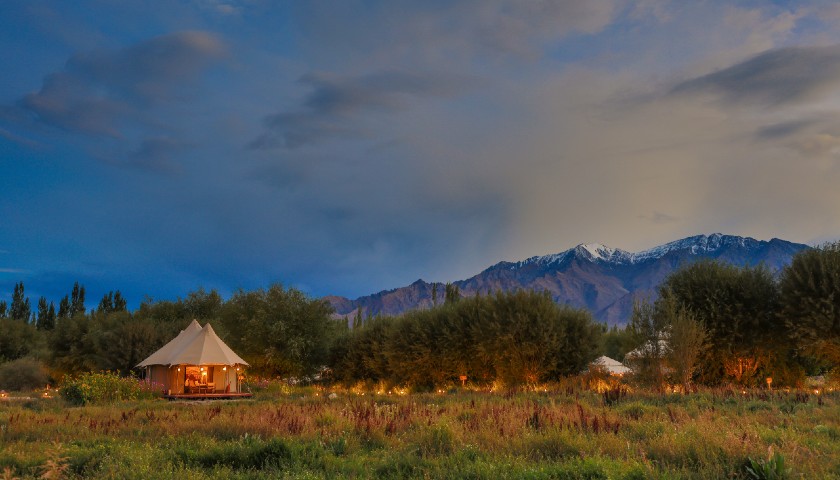
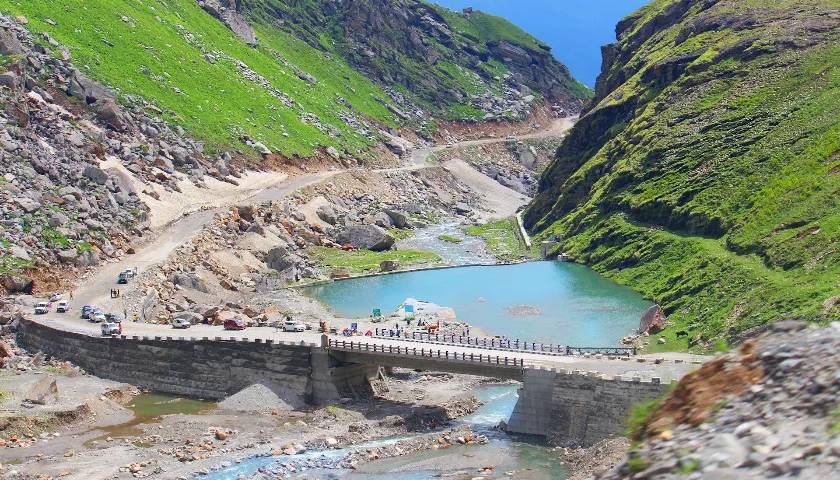
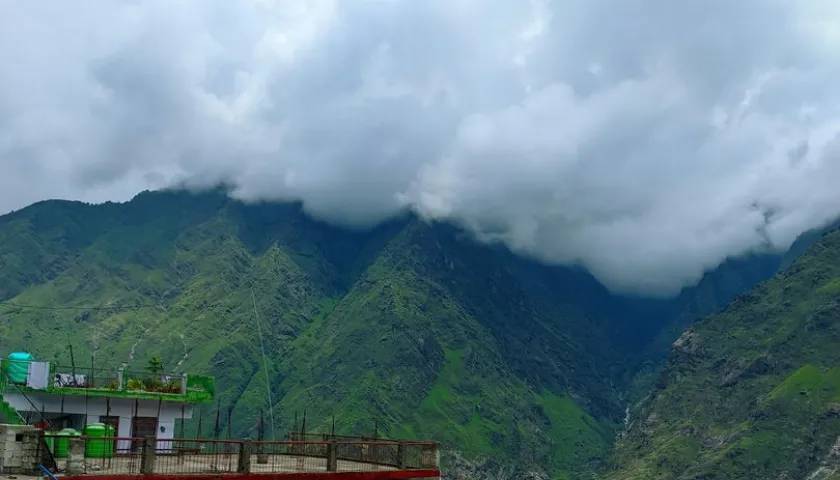
+91-9873003099 Alternate line: +91-9717930209Ladakh is one of the most extraordinary places on earth. A high-altitude desert region sitting at the top of the world in the northernmost part of India, it is a union territory that shares borders with China to the east and Pakistan to the west. Ladakh is a land of dramatic contrasts, where barren brown mountains rise to dizzying heights above turquoise blue lakes, where ancient Buddhist monasteries perch on clifftops overlooking impossibly wide valleys, and where the silence of the landscape is broken only by the sound of wind and prayer flags. It is a destination that changes the way you see the world.
Leh, the main town and administrative center of Ladakh, sits at an altitude of approximately 3,500 meters above sea level. It is a compact and charming town with a lively bazaar, the striking Leh Palace, and surrounding monasteries including Thiksey, Hemis, and Diskit. The Pangong Tso Lake, which stretches across the India-China border at an altitude of over 4,350 meters, is one of the most photographed places in India, famous for its water that changes color from blue to green to red depending on the light and time of day. The Nubra Valley, accessed via the high-altitude Khardung La Pass, is a hidden valley of sand dunes and Bactrian camels set against a backdrop of snow-covered peaks. Tso Moriri Lake in the Changthang plateau is a less visited but equally beautiful alternative to Pangong, home to rare birds and nomadic communities.
Ladakh is also a world-class destination for adventure sports including trekking, mountain biking, river rafting on the Zanskar River, and motorcycling on some of the highest motorable roads in the world. The Zanskar Valley, accessible in summer by road and in winter by the famous frozen river trek called Chadar, is one of the most remote and spectacular destinations in all of India.
This Ladakh travel guide covers the best time to visit, top destinations, adventure activities, permit requirements, and travel tips to help you plan a safe and unforgettable journey to this magnificent region.


Summer (May to September)
Summer is the main travel season for Ladakh and the best time for most visitors. The roads to Leh open up in May after the winter snow clears, and the region becomes accessible by road via the Manali-Leh Highway and the Srinagar-Leh Highway. Temperatures during the day are pleasant, ranging from 15 to 25 degrees Celsius in Leh, though nights remain cold throughout the year. This is the best time for visiting Pangong Lake, Nubra Valley, Tso Moriri, and for trekking on routes like the Markha Valley Trek and the Stok Kangri Trek. The Hemis Festival, held in June or July, is one of the most spectacular monastic festivals in Ladakh and is worth timing your visit around.
Autumn (September to October)
September and October are excellent months to visit Ladakh. The summer tourist crowds thin out, the weather is still pleasant during the day, and the landscapes take on beautiful golden and amber tones as the season changes. Mountain views are often clearer during autumn than in peak summer. Some high passes begin to close in late October as snowfall arrives.
Winter (November to April)
Winter in Ladakh is harsh, with temperatures in Leh dropping to minus 20 degrees Celsius or below in January. Most roads to the region close due to snowfall and the majority of hotels and guesthouses also shut down. However, winter in Ladakh is not without its appeal. The Chadar Trek, a journey across the frozen Zanskar River, takes place in January and February and is one of the most unique and demanding trek experiences in India. Winter Ladakh is a destination for experienced and well-prepared travelers only.

Find out the best times to visit the Ladakh.
January in Ladakh is extremely cold, with temperatures often dropping below -20°C. Most roads are closed due to heavy snowfall, making travel difficult. This month is not ideal for tourism, but visitors can enjoy the tranquil, snow-covered landscapes if they are well-prepared for the harsh conditions.


Ladakh is accessible for most travelers between May and October when the mountain passes are open and road conditions are manageable. June to September is the peak summer window with the warmest temperatures and full access to Nubra Valley, Pangong Lake, and Tso Moriri. October brings the first snowfall on the higher passes. January to March is the specialist window for snow leopard tracking in Hemis National Park, when the region is cold and remote but rewarding for wildlife travelers.
Yes. Leh sits at 3,524 metres and travelers arriving by flight experience an immediate altitude change. A full rest day in Leh on arrival is built into every Alkof Holidays Ladakh itinerary before any sightseeing or travel to higher areas begins. Light activity, no alcohol, and adequate hydration during the first 24 significantly reduce the risk. Travelers with pre-existing heart or respiratory conditions should consult a doctor before booking.
Foreign nationals require an Permit to visit several areas including Nubra Valley, Pangong Lake, Tso Moriri, Hanle, and Turtuk. At Alkof Holidays, we provide Ladakh tours with all required permits including Ladakh Environment Fee, Wild life charges, Red Cross Fee, and Inner line permit.
A minimum of 7 days is needed to cover Leh, Nubra Valley, and Pangong Lake at a pace that includes an acclimatization day in Leh on arrival. To add Tso Moriri, Turtuk, or the Zanskar Valley, a 10 to 12 day itinerary is more appropriate.
The most practical route for most travelers is by direct flight to Leh Kushok Bakula Rimpochhe Airport, which has connections from Delhi, Mumbai, and Srinagar. The road route from Manali via the Manali-Leh highway or from Srinagar via the Srinagar-Leh highway is an option between June and October, but both routes involve multi-day drives across high altitude passes.
Yes. Ladakh is one of the best places in the world to track snow leopards in the wild. Alkof Holidays operates dedicated snow leopard tours in the Rumbak Valley, Ulley Village, and Hemis National Park across both winter and summer seasons. Winter tours between January and March offer sightings at lower elevations as snow leopards follow their prey downhill. Summer tours provide a different tracking experience across higher terrain with strong sighting rates. Our local spotters actively track snow leopard movements in the days leading up to and during your tour, giving you the highest possible probability of a sighting. Exact locations vary based on the latest confirmed sightings. Snow leopard sightings cannot be guaranteed as they are wild animals moving across large territories, but our tracking approach consistently produces results.
Yes. Every Ladakh tour operated by Alkof Holidays is private and built around your travel dates, group size, interests, and pace. Duration, destinations, accommodation category, and the sequence of the itinerary can all be adjusted. Whether you are interested in wildlife, trekking, cycling, cultural sites, or festival travel, the itinerary is structured accordingly. Share your travel dates and what you are looking for and we will plan the itinerary from there.
Customize your personalized adventure with our custom trip planner. It just takes 2 minutes!
Plan Your TripNeed quick help?
Talk to an expert, message us on WhatsApp, email your travel plans, or use our mailing address whenever you need direct assistance.
Call our travel team for immediate guidance on itineraries, pricing, and trip planning.
+91-9873003099 Alternate line: +91-9717930209Get quick answers, itinerary help, and direct support from our team on WhatsApp.
Start WhatsApp ChatShare your travel dates, preferences, or questions and our team will respond with care.
info@alkofholidays.comAlkof Holidays Private Limited
Flat No. 616 / 21, DDA Flats, Madangir,
New Delhi-110062, India
24x7 support, ensuring assistance anytime, anywhere for a seamless travel experience
 +91-9873003099
 +91-9873003099
 Ask a Question