

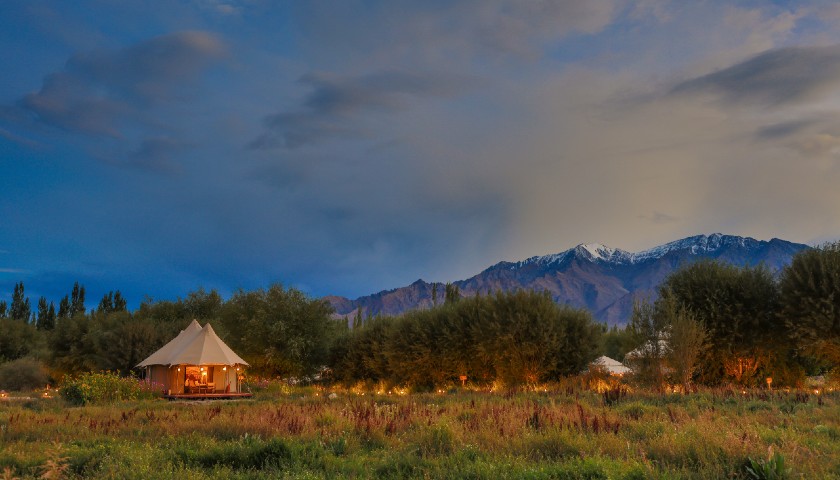
Set against the dramatic landscape of Ladakh, Chamba Camp Thiksey unfolds quietly, where soft light moves across the valley and the mountains appear almost sculpted. It is a place that does not seek attention, yet leaves a lasting impression through its setting, its calm, and the way comfort blends effortlessly with the surrounding terrain. Some destinations impress instantly. This one reveals its character slowly, detail by detail, over the course of a stay.
A Setting That Feels Almost Private
As you approach the camp, Thiksey Monastery rises in the background, calm and commanding on its hilltop. The camp sits in a wide open valley with uninterrupted views in every direction. There is no crowd, no visual noise, no sense of overdevelopment. Just space, stillness, and a kind of natural scale that Ladakh offers at its best.
What makes the location work so well is not just how it looks, but how it functions as a base. The monastery is close enough to visit on foot in the early morning before other tourists arrive. The Indus Valley stretches out ahead of you. The Stok Kangri range fills the southern skyline. You feel removed from the usual pace of travel, yet you are not far from anything you might want to explore.
A Refined Take on Luxury Camping
Walking through the camp, it becomes clear that this is not camping in the conventional sense. The tents are expansive, properly insulated, and designed with a clear understanding of what comfort means at 3,500 metres.
The Luxury Suites offer generous floor space with solid wooden furniture, layered bedding suited to the cold nights, and a sitting area that faces the landscape through wide tent panels. The bathroom is fully enclosed with hot water that runs reliably. The layout feels considered rather than improvised, which matters when you are spending multiple nights at altitude and need genuine rest.
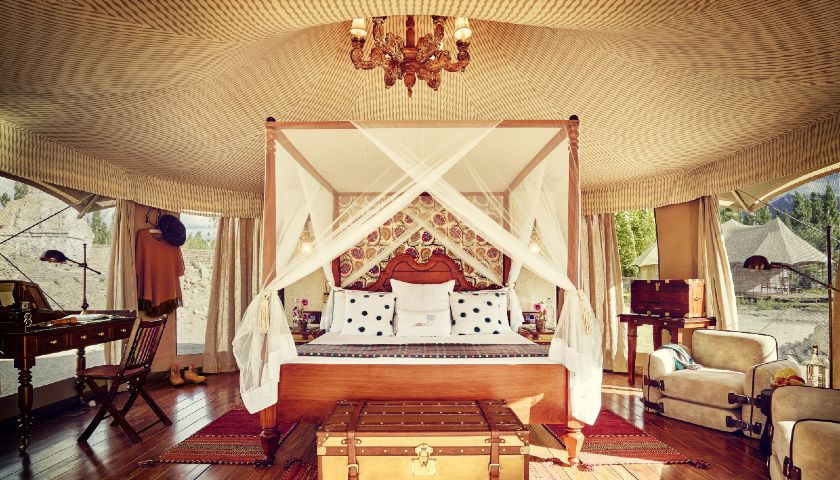
The Presidential Suite adds a separate dressing area, a larger bathroom with a standalone soaking tub, and more floor space that allows for a separate seating corner away from the sleeping area. The distinction is meaningful for couples or solo travelers who want the option to spread out and settle into a space rather than simply sleep in it. One feature worth noting is the private outdoor seating directly attached to the tent, which is ideal for watching the evening light shift across the valley without leaving your accommodation.
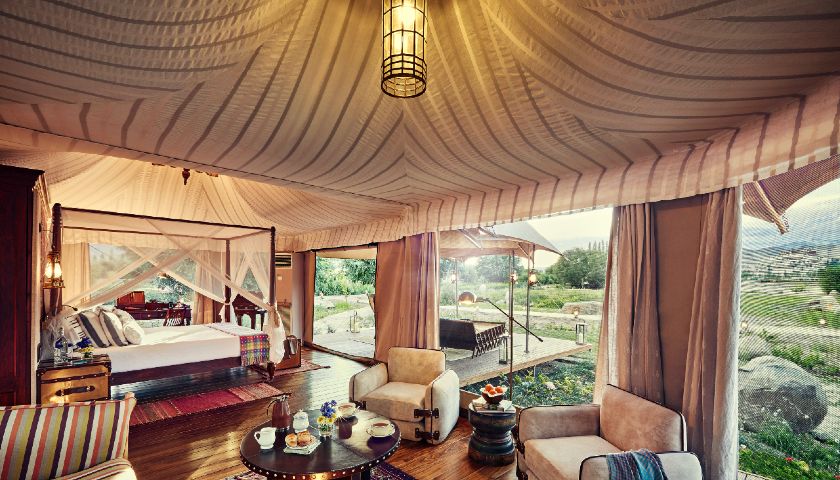
What stands out across both tent categories is the operational quality behind the scenes. Heating is consistent through the night. Water pressure holds up. The team manages the physical challenges of this environment without passing those challenges on to the guest.
The Kind of Silence You Do Not Find Easily
Spending time walking around the property, what stays with you is the quality of the silence. Not an empty silence, but an uninterrupted one. The wind moves across the valley. Prayer flags stir near the monastery. Occasionally, a distant horn sounds from the road below. Beyond that, there is very little competing for your attention.
For travelers who have stayed at well-known luxury properties in busier destinations, this level of quiet is genuinely different. It is one of those things that does not fully register until you have been in it for a few hours.
Dining That Feels Considered
The main dining tent is warm, simply arranged, and lit in a way that feels easy in the evenings. There is no performance to it, which suits the setting.
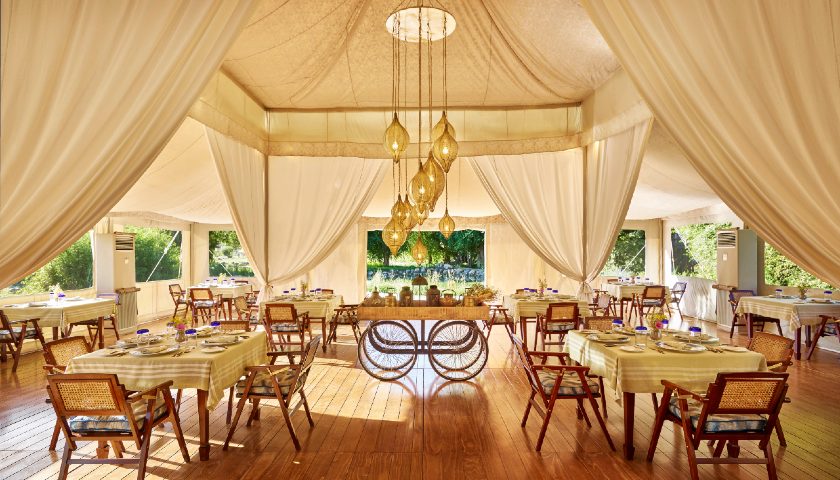
The kitchen works with a short, rotating menu that draws from Indian, Continental, and local Ladakhi cooking. The shorba served in the evening is a good example of how the team handles altitude-appropriate food: warm, properly seasoned, and nourishing without being heavy. Portions are calibrated for guests who may still be acclimatizing, and the team is responsive if you have specific dietary requirements or preferences. They do not treat requests as complications.
Breakfast is where the kitchen earns particular appreciation. Eggs cooked to order, fresh bread, and local apricot preserves are paired with good coffee. After an early monastery visit, returning to that kind of breakfast makes a considerable difference to the day.
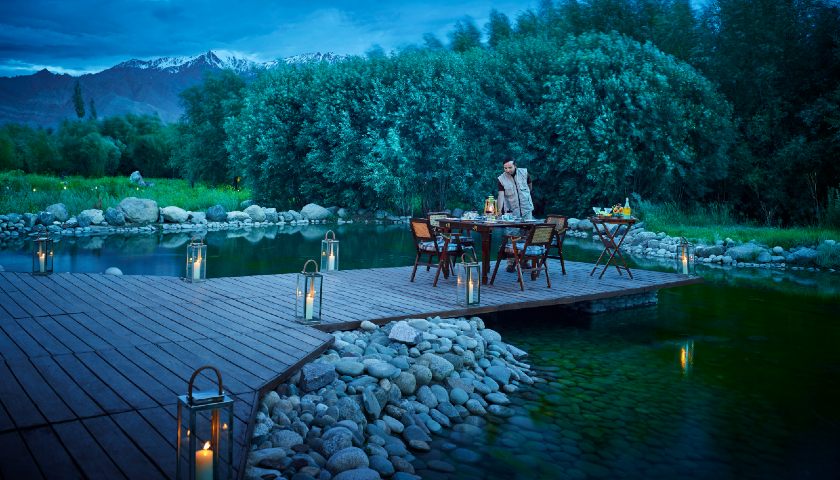
Private dining setups are available on request, positioned to face the monastery with a clear view of the hillside. The experience is straightforward and well-executed, not theatrical.
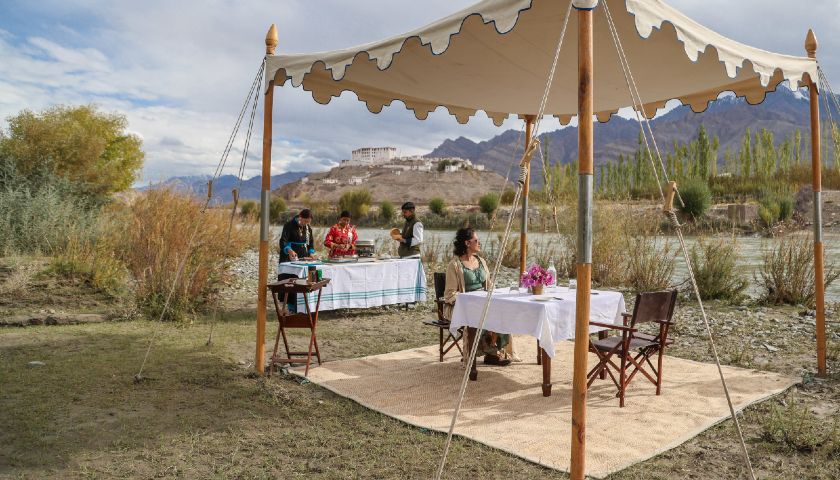
Being close to Thiksey Monastery is the most significant advantage of the camp's location. An early morning visit before 7am gives you access to the monastery at a point when monks are conducting prayers and the space feels genuinely alive. Arriving at this hour, before the day opens up to other visitors, gives the experience a different quality altogether.
Village walks through the surrounding area offer a similarly grounded perspective. The agricultural lanes of Thiksey village, working homes with barley drying on flat rooftops, and apricot orchards along the road give you a view of daily life in the valley that no monastery visit alone can provide. These are ordinary scenes in the best sense, and worth building time into the itinerary for.
The camp's proximity also makes day excursions to Hemis, Shey, and the Indus-Zanskar confluence at Nimmu very manageable. For guests interested in photography, the golden hour light across the Indus Valley from the camp property itself is worth planning around.
Service That Understands Luxury
The team at the camp is small, which is part of why service works as well as it does. They know who is staying, what was ordered the previous evening, and where each guest went that morning. That awareness comes through in small ways: a thermos of kahwa left in the tent before you return from a walk, a gentle reminder about hydration on the second day when altitude fatigue sometimes surfaces, and a general attentiveness that never tips into being overbearing.
The service is not formal in the traditional luxury hotel sense. It is attentive in a way that fits the setting. The goal appears to be making the guest comfortable rather than making the service visible.
After visiting several high-end properties across India, a few things clearly set this camp apart.
- The location offers both beauty and depth. It is not just scenic; it has cultural and historical weight that the camp actively connects guests to.
- The level of comfort achieved in this remote, high-altitude setting reflects strong operational experience. Properties in comparable environments often fall short on basic infrastructure. This one does not.
- The scale is limited. A small number of tents means the property never feels occupied, and the staff-to-guest ratio stays high throughout the season.
- The experience does not try to replicate what a city hotel offers in a tent. It is designed for where it is.
Who This Is Perfect For
From what I observed, this camp is ideal for travelers who appreciate a more refined and thoughtful journey.
- This camp works particularly well for couples who want privacy and a shared experience that goes beyond sightseeing.
- It also suits solo travelers who want a well-managed introduction to Ladakh without compromising on comfort or depth.
- First-time visitors to Ladakh will find the camp a strong base to orient from, provided the broader itinerary is planned with acclimatization in mind.
- Experienced Ladakh travelers will find the monastery access and valley positioning genuinely adds to what they already know of the region.
A Personal Note
If this stay had to be described in one phrase, it would be this: it respects your time. The team does not overschedule, the setting does not compete for attention, and the accommodation does not require effort to be comfortable in. That combination, in a place this remote, takes real planning to deliver.
Practical Considerations
- Spend at least one full day in Leh before traveling to the camp. Altitude sickness is a real concern above 3,000 metres, and moving too quickly affects the quality of the entire stay.
- The camp operates during a limited season, roughly from late May to mid-October, which reflects both the climate and the team's commitment to maintaining standards rather than extending the season for occupancy.
- Evening temperatures in Ladakh drop sharply, even in July and August. Carry thermal base layers and a proper fleece regardless of how warm the afternoon may feel.
- Connectivity at the camp is minimal. Mobile data is unreliable and wifi is limited. If uninterrupted connectivity is a requirement, this is worth knowing in advance. Most guests find the disconnection to be one of the more valuable parts of the stay.
Final Thought
Chamba Camp Thiksey stands among the most carefully considered stays in Ladakh. It does not rely on the landscape alone to make the impression. The accommodation, the team, the access to local culture, and the operational quality together create an experience that holds up long after you have left.
For travelers who want a stay in Ladakh that is both comfortable and genuinely connected to where it is, this is worth serious consideration.
For a well-planned Ladakh journey that incorporates the Chamba Camp Thiksey experience, the team at Alkof Holidays can help you build the right itinerary around it, from arrival logistics to acclimatization days, monastery timings, and excursion sequencing.
Continue Your Journey
Discover Chamba Camp Thiksey
Explore more about this exceptional stay from luxurious accommodations to curated experiences in Ladakh.


About the Author
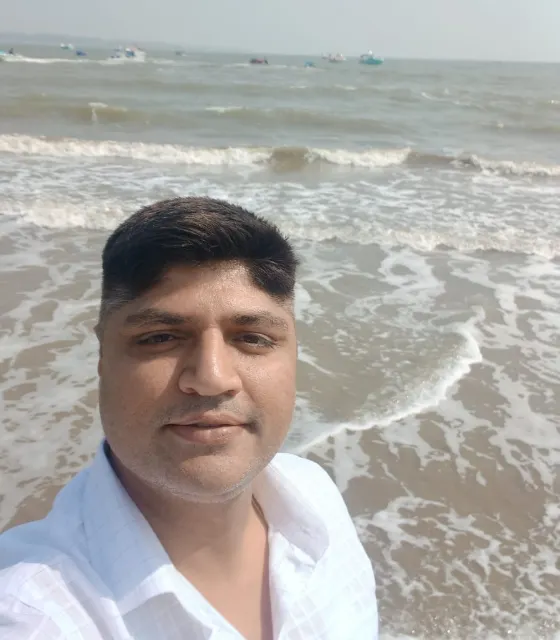
Sanjeev has been part of Alkof Holidays since its inception, and has been guiding guests throughout India. He has helped travelers from more than 40 countries explore the region through wildlife safaris, cultural tours, Buddhist pilgrimage journeys, and luxury private travel experiences.
Since 2011, Sanjeev has been helping travelers discover India through first-hand destination knowledge, personally visiting places before recommending them to guests.
Turn this article into a tailor-made holiday plan.
Speak with a destination expert for private itinerary ideas, timings, and practical planning help.


 +91-9873003099
 +91-9873003099
 Ask a Question