


India is one of the few countries in the world where you can stand forty meters from a wild tiger and watch it walk toward a waterhole without a fence or a barrier between you. That experience is real, it is accessible, and it happens thousands of times every season across India's national parks. But for a first-time visitor, planning a wildlife safari in India can feel genuinely overwhelming.
Which park should you choose? When should you go? How many safaris do you actually need? Is it safe? How does the whole system even work?
These are the questions every first-time visitor asks, and the answers matter because the difference between a well-planned India safari and a poorly planned one is significant. This guide is written to remove that confusion entirely and give you a clear, honest picture of what wildlife safaris in India actually involve — and how to get the most out of your first experience.
How Safaris Work in India
Before you choose a park or pick a date, it helps to understand the basic mechanics of how wildlife safaris in India are structured. Most first-time visitors arrive with a vague idea of a jeep driving through a forest, which is broadly correct but misses several details that affect your experience.
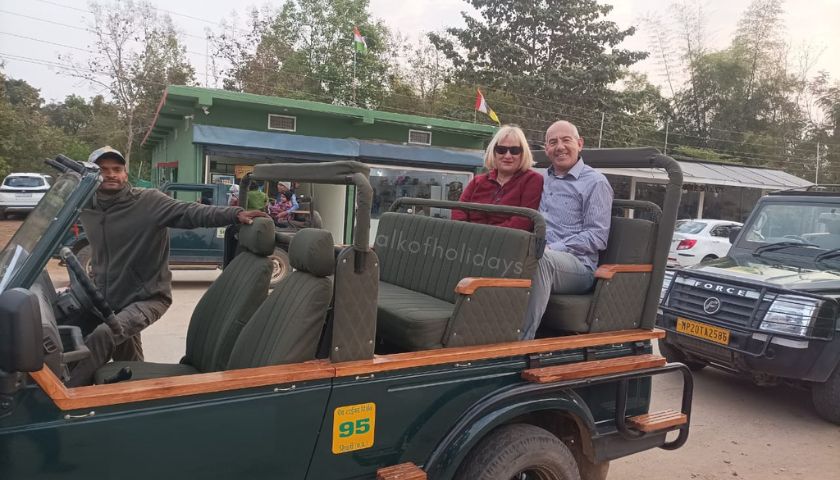
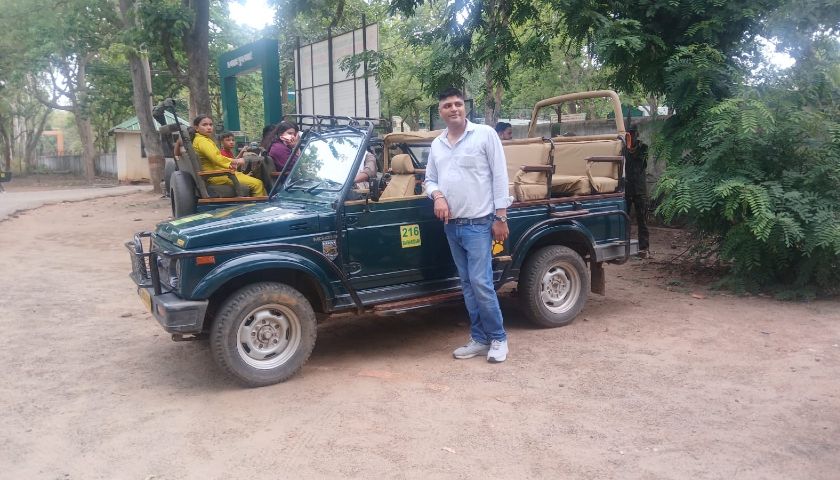
Jeep versus canter safaris are the two main formats. A jeep safari typically seats six visitors plus a driver and a trained naturalist guide. It is the preferred format for serious wildlife enthusiasts because jeeps are nimble, can access narrower forest roads and allow your guide to make quicker decisions about positioning. Canter safaris are larger open vehicles carrying up to twenty passengers and are generally used in specific zones of certain parks. For a first-time visitor with a genuine interest in wildlife, always book a jeep safari.
The zone system is something most first-time visitors are not aware of until they arrive. India's major national parks are divided into numbered zones, each covering a different section of forest. Certain zones have historically higher sighting rates based on tiger territories, water sources and vegetation patterns. Zone allocation is not always within your control — it is often determined at the time of permit booking — but knowing which zones are productive allows you to request or prioritise accordingly when booking through an experienced operator.
Permits and booking are managed through the centralised forest department booking system, and popular parks like Ranthambore and Bandhavgarh fill up weeks in advance during peak season. Last-minute bookings during February to May are often not possible for premium zones. This is one of the strongest arguments for booking your safari through a specialist operator who handles permits as part of the overall itinerary.
If you are looking at combining a tiger safari with the classic Golden Triangle route, our 9-day Golden Triangle Tour with Ranthambore takes care of all permit bookings, zone selection and logistics as part of a single joined-up itinerary.
Morning and afternoon safaris run on fixed schedules that vary slightly by season and park. Morning safaris typically begin at sunrise and run for three to four hours. Afternoon safaris begin in the mid to late afternoon and run until sunset. Both have their advantages depending on the season, which is covered in detail further below.
Tiger sighting expectations deserve an honest word here. Sightings are never guaranteed. A national park is a wild, unfenced ecosystem, and animals move on their own terms. That said, India's major parks — particularly Ranthambore, Bandhavgarh and Kanha — offer genuinely strong sighting probabilities during the right months, especially if you book multiple safaris and choose your season wisely.
Best National Parks for First-Time Visitors
India has over one hundred national parks and wildlife sanctuaries. For a first-time visitor, narrowing that list down to something manageable is important. Here are the parks that consistently deliver the best experience for people visiting India's wild spaces for the first time.
Ranthambore National Park, Rajasthan is the most accessible major tiger reserve in India and the easiest to combine with broader India travel. Located a few hours from Jaipur, it fits naturally into a Golden Triangle itinerary covering Delhi, Agra and Jaipur. The tigers of Ranthambore are famously habituated to safari vehicles, which means sightings tend to be calm, extended and visually spectacular. The park's landscape — ancient ruins, three large lakes, dry deciduous forest — makes every safari visually rewarding even outside of a tiger sighting. For a first-time visitor who wants wildlife without sacrificing cultural travel, Ranthambore is the natural starting point.
Bandhavgarh National Park, Madhya Pradesh has one of the highest tiger densities of any park in India. Sighting rates here are consistently strong across the season, and the forest itself is dense, dramatic and full of wildlife beyond tigers. It requires more dedicated travel — Bandhavgarh is not as easily combined with the Golden Triangle as Ranthambore — but for visitors whose primary goal is a tiger sighting, it rewards the effort.
Kanha National Park, Madhya Pradesh is one of the most beautifully organised wildlife destinations in India and an excellent choice for first-time visitors who want a relaxed, well-managed safari experience. Kanha is the park that inspired Rudyard Kipling's The Jungle Book, and the landscape lives up to that heritage. Tiger sightings are reliable, infrastructure is excellent and the park has a calm, unhurried atmosphere that suits visitors who are new to the safari format.
For those drawn specifically to the forests of central India, our Central India Wildlife Tour Packages are designed around private guided safaris across Bandhavgarh, Kanha, Pench and Tadoba. If experiencing Indian tiger reserves at a deeper level is what you are after, these itineraries are worth exploring.
Pench National Park, Madhya Pradesh sits on the border of Madhya Pradesh and Maharashtra and is widely regarded as one of the most beginner-friendly parks in India. The terrain is accessible, guides are experienced, and the park offers strong sightings of tigers, leopards, wild dogs and a wide range of bird species. It is also less crowded than Ranthambore or Bandhavgarh, which some visitors prefer.
Tadoba Andhari Tiger Reserve, Maharashtra is one of India's most underrated wildlife destinations and increasingly popular with first-time visitors who want strong tiger sightings without the crowds of the more famous parks. Maharashtra's largest national park has a growing tiger population, open grassland landscapes that make spotting easier and a raw, less commercialised feel that serious wildlife enthusiasts tend to appreciate. If you are traveling from Mumbai or Pune, Tadoba is also one of the most convenient tiger reserves to reach.
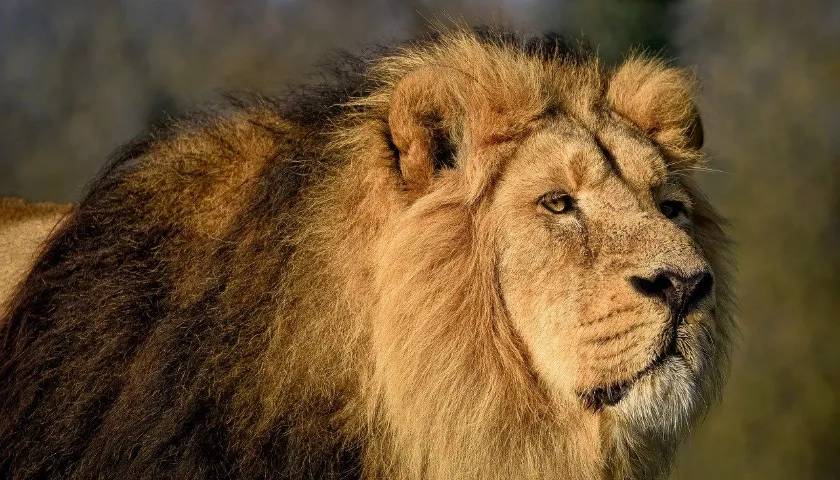
Gir National Park, Gujarat is the only place in the world where you can see the Asiatic lion in the wild, which makes it a truly one-of-a-kind destination for first-time visitors. Beyond lions, Gir is home to leopards, hyenas, jackals and a rich variety of birdlife. The safari experience here is different from a tiger reserve — the terrain is more open and the animals are highly visible — making it an excellent choice for visitors who want a distinctive wildlife experience away from the usual tiger safari circuit.
Kaziranga National Park, Assam is in a category of its own. Rather than tigers, Kaziranga is the place to see the Indian one-horned rhinoceros, and it holds the largest population of this species anywhere on earth. Elephant-back safaris at sunrise across the floodplain grasslands, with rhinos grazing in the early morning mist, is an experience that belongs on any serious wildlife traveler's list. The best time to visit Kaziranga is between November and April, before the monsoon floods the park.
Best Time of Year for Wildlife Safaris in India
Timing is the single most important planning decision you will make for an India safari. The wildlife parks in India follow a broadly similar seasonal pattern, with some variation depending on geography.
October and November mark the reopening of most parks after the monsoon closure. The landscape is lush and green, temperatures are comfortable and wildlife activity is building back up after the rains. Sightings are moderate during October as vegetation is still dense from the monsoon, but November offers improving conditions and a beautiful atmosphere. This is a good window for visitors who want the full wildlife experience alongside pleasant weather.
December and January are the peak tourist months in India for the Golden Triangle and heritage travel, but they are among the weaker months for tiger sightings in most parks. Cold temperatures and foggy morning conditions, particularly in January, reduce wildlife activity and visibility. Tiger sightings happen during these months, but probability is lower. If December or January is your only available window, go — just set realistic expectations and treat the broader wildlife experience as the goal rather than specifically a tiger sighting.
February and March represent a real turning point in the safari season. Vegetation thins noticeably, temperatures climb steadily and tiger activity increases as the breeding season approaches. Sighting rates across Ranthambore, Bandhavgarh and Kanha all improve significantly from February onward. The weather is warm and comfortable, mornings are clear and the combination of good conditions and improving wildlife activity makes this one of the most recommended windows for first-time visitors.
April and May deliver the highest tiger sighting probabilities of the year across most of India's major parks. Water scarcity forces tigers to concentrate around remaining waterholes, making their movements predictable. Vegetation is at its lowest density, giving clear sightlines when animals do appear. The honest downside is the heat — temperatures regularly exceed forty degrees during afternoon hours. Morning safaris during April and May are exceptional, and anyone who can tolerate warm conditions will find these months the most rewarding of the season. After May, most parks close for the monsoon in June and remain closed through September.
How Many Safaris Do You Need?
This is a question every first-time visitor asks, and the answer deserves a direct response. Two safaris give you a reasonable shot at a sighting and are the minimum worth booking. Three or four safaris give serious wildlife enthusiasts meaningfully better odds and, more importantly, the quality of experience that comes from repeated time in the forest.
Wildlife is inherently unpredictable. A tiger that was seen every morning for a week can disappear for three days without explanation. Two safaris on two consecutive mornings can produce completely different experiences in the same zone. The more time you spend in the forest, the deeper your understanding of how the ecosystem works and the better your chances of the kind of sighting that stays with you for years.
For first-time visitors combining wildlife with broader India travel, two safaris is a practical and realistic starting point. For those whose primary purpose is wildlife, build in at least three.
Combining Wildlife with the Golden Triangle
For first-time visitors to India, the most common question after choosing a park is how to fit a safari into a trip that also covers the country's iconic heritage destinations. The good news is that Ranthambore makes this combination straightforward.
For those who want to experience the tiger reserves in India without the guesswork of planning, our Best Tiger Safari Tours in India are designed around the strongest sighting windows, the most productive zones and private guided safaris that give you the best possible chance of a meaningful encounter in the wild.
Delhi, Agra and Jaipur form the classic Golden Triangle route, covering the Red Fort, the Taj Mahal, Fatehpur Sikri, Amber Fort and the markets of Old Delhi. Ranthambore sits roughly a four-hour drive from Jaipur, making it a natural extension of the circuit without any significant backtracking or complicated travel logistics.
A nine to ten day itinerary covering the Golden Triangle and Ranthambore gives you enough time to do justice to both the heritage trail and the wildlife experience. The October to May window works well for the combined itinerary — comfortable sightseeing temperatures across Rajasthan in winter and spring, with safari conditions improving steadily from February onward.
Our Golden Triangle with Ranthambore tour packages are designed around exactly this combination, with safari permits, zone selection and heritage sightseeing built into a single well-paced itinerary. It is the trip we most consistently recommend to first-time India visitors who want to experience both sides of what the country offers.
Safety, Comfort and Travel Tips
Safety is a genuine concern for many first-time visitors to India, and it is worth addressing directly. Wildlife safaris in India are well-regulated and conducted by trained naturalist guides who know the forest and its animals closely. Safari vehicles follow designated routes within each zone, and parks enforce strict rules around visitor behaviour. Thousands of international travelers visit India's national parks every season without incident.
India itself is a safe destination for tourists when approached with standard travel awareness. It is a complex, layered country that rewards curiosity and patience. Having a well-structured itinerary, staying in reputable accommodation and traveling with an experienced operator removes most of the logistical uncertainty that first-time visitors worry about.
Health considerations worth noting include sun protection during summer months, standard food and water hygiene precautions and ensuring your travel insurance covers medical care. Malaria prophylaxis is worth discussing with your doctor before visiting forested regions, though incidence in tourist-frequented park areas is low.
For accommodation, India's national parks offer a range from basic government forest lodges to boutique jungle resorts and full luxury safari lodges. Staying within or adjacent to the park rather than in a distant town makes an enormous difference — you save travel time, you can access early morning safaris without predawn drives and the atmosphere of waking up in the forest is part of the experience. If your budget allows, investing in good lodge accommodation near the park transforms a day-trip style safari into a genuine immersive experience.
Expert Recommendation from Alkof Holidays
In our experience working with international first-time visitors to India, the most common regret we hear is not visiting too many parks but rushing through one. A traveler who spends three nights at any of India's major reserves with four safari slots, stays in a good jungle lodge and has a knowledgeable naturalist guiding them through the forest comes away with a far richer experience than someone who squeezes in a single overnight with one safari.
Our recommendation for first-time visitors is simple. Keep your park selection focused to one or two destinations and invest the time you save in going deeper into each experience. The right park depends on what you are looking for. If seeing the Asiatic lion in the wild is on your list, Gir National Park in Gujarat is the only place on earth where that is possible. If a one-horned rhino grazing across open floodplains is the image you want to bring home, Kaziranga in Assam delivers that better than anywhere else. For the finest tiger safari experience in India, the central Indian reserves of Bandhavgarh, Kanha National Park and Pench National Park are hard to beat, and our Central India Wildlife Tour Packages are built around private guided safaris across these forests. And if you want to combine a short cultural tour with a genuine tiger safari experience, Ranthambore paired with the Golden Triangle gives you the most balanced and rewarding first India itinerary you can plan.
India's wildlife is extraordinary, its national parks are among the best managed in Asia, and the experience of watching wild animals move through their natural territory is one that genuinely does not compare to anything else. Plan it well and it will be the trip you talk about for the rest of your life.
Turn this article into a tailor-made holiday plan.
Speak with a destination expert for private itinerary ideas, timings, and practical planning help.


 +91-9873003099
 +91-9873003099
 Ask a Question