

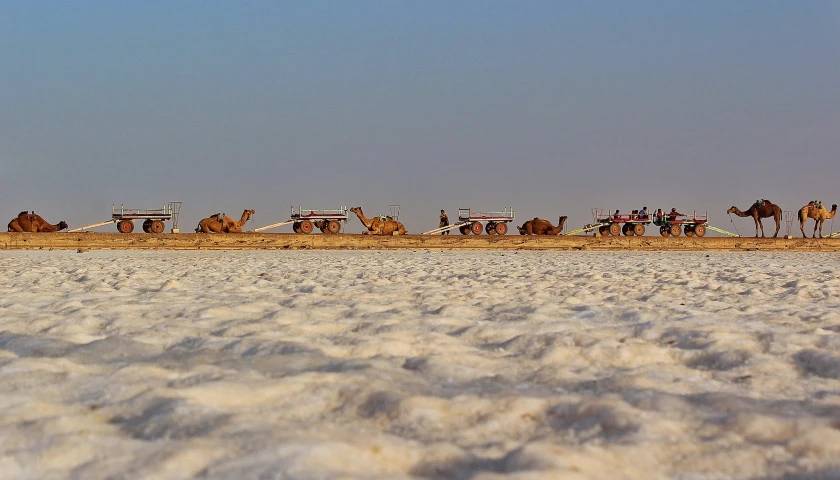
The Rann of Kutch in Gujarat is one of India’s most unique and fascinating landscapes. Spread across a vast salt marsh region, the Rann is often spoken about as a single destination, but in reality, it is divided into three distinct regions — the Little Rann of Kutch, the White Rann of Kutch, and the Great Rann of Kutch. Each of these regions offers a completely different travel experience, catering to different interests such as wildlife, culture, festivals, photography, and offbeat exploration.
If you are planning a trip to Gujarat and wondering which Rann of Kutch you should visit, this guide will help you understand the key differences and choose the one that suits your travel style best.
Little Rann of Kutch – Wildlife, Safaris, and the Wild Ass Sanctuary

The Little Rann is home to the famous Wild Ass Sanctuary, the only place in the world where you can see the endangered Indian Wild Ass in its natural habitat. Apart from wild asses, the area also supports desert foxes, wolves, jackals, nilgai, and a wide variety of migratory birds, especially during winter.
Why visit the Little Rann of Kutch?
-
Jeep safaris in a salt desert landscape
-
Birdwatching and wildlife photography
-
Rural villages and traditional salt farming (Agariya community)
-
Less crowded and more offbeat experience
Best time to visit:
October to March, when wildlife sightings are best and the weather is pleasant.
Ideal for:
Wildlife lovers, photographers, birdwatchers, and travelers looking for a quiet, nature-focused experience.
White Rann of Kutch – Culture, Festivals, and the Iconic White Desert

The White Rann is best known for the Rann Utsav, a vibrant cultural festival held every year from November to February near Dhordo. During this period, the region comes alive with folk music, dance performances, handicraft markets, camel rides, and luxury tent accommodations.
Why visit the White Rann of Kutch?
-
Walk on the endless white salt flats
-
Experience Rann Utsav with music, dance, and local culture
-
Sunset and moonlight views over the salt desert
-
Handicrafts, embroidery, and local cuisine
Best time to visit:
November to February, especially during the Rann Utsav season.
Ideal for:
First-time visitors to Gujarat, cultural travelers, families, couples, and photographers looking for iconic desert visuals.
Great Rann of Kutch – Vast Landscapes and Offbeat Exploration

Unlike the White Rann, there are no major festivals or tourist hubs here. The Great Rann offers a sense of scale, isolation, and untouched beauty, especially during the dry season when vast salt plains emerge.
During the monsoon months, parts of the Great Rann transform into a shallow wetland, attracting flamingos and other migratory birds, making it ecologically important.
Why visit the Great Rann of Kutch?
-
Experience the sheer vastness of the salt marsh
-
Offbeat travel away from crowds
-
Unique landscapes and silence
-
Seasonal birdlife during monsoon and winter
Best time to visit:
December to March for dry landscapes; July to September for birdlife (with limited access).
Ideal for:
Offbeat travelers, landscape photographers, explorers, and those seeking solitude.
Little Rann vs White Rann vs Great Rann – Quick Comparison
| Feature | Little Rann of Kutch | White Rann of Kutch | Great Rann of Kutch |
|---|---|---|---|
| Main Highlight | Wildlife & safaris | Culture & festivals | Vast salt landscapes |
| Famous For | Wild Ass Sanctuary | Rann Utsav & white salt desert | Offbeat exploration |
| Activities | Jeep safari, birding | Cultural shows, photography | Nature, solitude |
| Best Time | Oct – Mar | Nov – Feb | Dec – Mar |
| Crowd Level | Low | High (festival season) | Very low |
| Ideal For | Wildlife lovers | First-time visitors | Offbeat travelers |
Which Rann of Kutch Should You Visit?
-
Choose the Little Rann of Kutch if you love wildlife, safaris, and quiet nature experiences.
-
Choose the White Rann of Kutch if you want culture, festivals, local crafts, and iconic white desert views.
-
Choose the Great Rann of Kutch if you prefer remote landscapes, fewer tourists, and a truly offbeat journey.
Many travelers combine White Rann + Little Rann in one itinerary for a balanced experience of culture and wildlife.
Final Thoughts
The Rann of Kutch is not just one destination — it is three very different worlds within the same region. Understanding the difference between the Little Rann of Kutch, White Rann, and Great Rann of Kutch helps you plan a more meaningful and enjoyable trip to Gujarat.
Whether you are a wildlife enthusiast, cultural explorer, photographer, or offbeat traveler, there is a Rann of Kutch experience perfectly suited for you.
If you’re planning a trip and want expert guidance, custom itineraries, or a combination of wildlife and cultural experiences, feel free to reach out — Gujarat has much more to offer beyond the salt deserts.
Turn this article into a tailor-made holiday plan.
Speak with a destination expert for private itinerary ideas, timings, and practical planning help.



 +91-9873003099
 +91-9873003099
 Ask a Question