


For several years, I have helped international travellers plan their wildlife journeys in India. Alongside this, I occasionally escort visitors who come to India to experience its extraordinary wildlife firsthand. I have explored the deepest zones of Ranthambore, the floodplain jeep tracks of Kaziranga, and the legendary forests of Bandhavgarh, Kanha, Pench, Tadoba, Gir, Jim Corbett, and many more. Indian wildlife is not something I have merely read about. It is something I live and work within, every single season.
When I work with travellers to plan their wildlife journey to India, they almost always ask me the same question: which parks are actually worth going to, and which ones will disappoint? I thought the best way to answer that was to write it all down properly. So here it is, my guide to the 10 best wildlife safaris in India that you should not miss.
This is not just a blog post. It is my on-ground experience across Indian jungles, national parks, and wildlife sanctuaries. Every park on this list I have visited personally, many of them multiple times across different seasons. What I know about each one comes from game drives, conversations with forest guards and naturalists who have spent decades inside these reserves, and watching how international travellers respond to each experience. That is the basis of this guide.
1. Bandhavgarh National Park, Madhya Pradesh
Best For: High tiger density and strong opportunities for tiger sightings
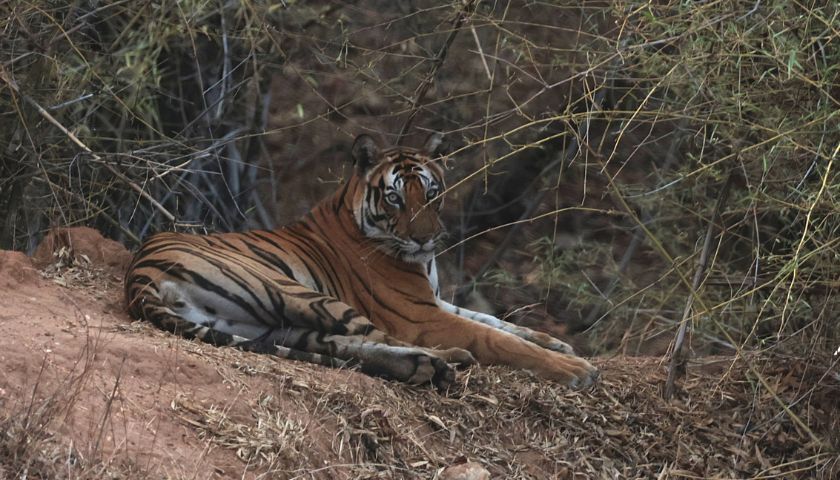
Bandhavgarh sits at number 1 on my list and there is a reason for it. It is small compared to other national parks but has the highest density of Bengal tigers in India. Bandhavgarh National Park is also close to other premium tiger reserves including Panna National Park, Kanha National Park, Pench, and Satpura Tiger Reserve, so I have the option to add any of these parks to a wildlife adventure or to customise the journey entirely. When I compare my on-ground experience in Bandhavgarh to Ranthambore, I have seen more tigers in Bandhavgarh, which is why it became my first choice.
On my recent visit I saw three different tigers in a single morning, two females and a sub-adult male, across consecutive drives in the Tala zone. In Khitauli Zone, a giant wild elephant blocked our way. That kind of frequency does not happen by accident. It is the result of exceptional habitat and decades of serious conservation management.
You might be interested in a recent safari experience in Bandhavgarh
The Tusker That Held Our Jeep Hostage for 45 Minutes in Bandhavgarh
The park covers approximately 1,536 square kilometres including core habitat and buffer habitat. The terrain is dramatic. The core zone roads run through corridors of dense forest that open suddenly into clearings, and the tigers here know every inch of their ranges. The naturalists in Bandhavgarh are excellent at their job and can read a pugmark in a dusty road and tell you whether the animal passed an hour ago or six hours ago. That expertise is something you only develop by spending years inside a single forest.
One detail I always point out to guests, but which rarely appears in travel guides, is Bandhavgarh Fort. The name Bandhavgarh comes from two words: Bandhav, meaning brother, and Garh, meaning fort. According to local tradition, Lord Rama, Goddess Sita and Lord Lakshman stayed at this fort while returning from Lanka. Since the two brothers stayed here, the destination became known as Bandhavgarh.
The fort stands on a rocky hill at the centre of Bandhavgarh Tiger Reserve. It is not open to visitors during regular safari operations. Travellers and pilgrims are currently permitted to visit only twice a year, during the Janmashtami festival and during Kabir Panthi Mela. Reaching the fort requires walking approximately 6 to 7 kilometres through the forest. Forest guards patrol the route during the festival to provide security to pilgrims. This rare annual opening reflects the deep connection between the wildlife, history and religious traditions of Bandhavgarh.
Best Time to Visit Bandhavgarh: November to June is the best time to visit Bandhavgarh. For the highest chances of tiger sightings, choose to travel between late March and June.
2. Ranthambore National Park, Rajasthan
Best For: First-time international visitors, tiger photography, combining with the Golden Triangle
Ranthambore is where I take most first-time international visitors who have never been on a wildlife safari in India, and it has never let me down as a recommendation. The tigers here are something I genuinely cannot explain to people until they have seen it for themselves. These animals have coexisted with safari vehicles for decades and they carry themselves with a calmness that makes close-range sightings not just possible but almost routine during peak season. I have watched a fully grown male tiger walk past a line of three safari jeeps as though we were furniture.
The only reason why I did not give Ranthambore the number 1 position is explained here. Read: Why avoid visiting Ranthambore in December and January: Weather, Wildlife, and More
The setting is unlike any other tiger reserve in the country. The park is built around three natural lakes, Padam Talao, Malik Talao, and Raj Bagh, and above them rises the silhouette of a 10th-century Rajput fort that sits at the edge of the jungle canopy. On the right morning, in the right light, you get a tiger drinking at the lake with that fort in the background. It is one of the most photographed wildlife scenes in Asia for good reason. The park is divided into ten safari zones and I always book international clients into zones one through five. Those are the core areas. The sighting rates in the outer zones are not comparable.
Ranthambore is also four hours by road from Jaipur, which makes it the perfect addition to a Golden Triangle itinerary. Most of the international travellers I work with appreciate being able to combine a tiger safari with the Taj Mahal and Rajasthan's palaces in a single two-week trip. That practicality is a real advantage over the more remote central Indian parks.
Best time to visit Ranthambore: October to June, with February to May offering the highest chances of tiger sightings near the lakes. The park closes during the monsoon from July to September.
3. Kanha National Park, Madhya Pradesh
Best For: Barasingha deer, Bengal tigers, meadow landscape, classic Jungle Book setting

I visited Kanha National Park in June 2026 and did a safari there in Kanha Zone. It is one of the most beautiful national parks in India. Kanha covers around 2051 square kilometers of central Indian highlands including core habitat and buffer habitat. It inspired Rudyard Kipling and has since become the gold standard for tiger conservation in India. Most people arrive with an image of dense impenetrable jungle and they step into something that looks closer to a highland savanna. The central meadows of Kanha, wide open grasslands fringed by sal and bamboo forest, are among the most beautiful wildlife landscapes in Asia. The first time a tiger walks across one of these meadows in early morning light, with ground mist still sitting across the grass, every guest I have ever been with falls completely silent.
Long-term conservation efforts at Kanha National Park saved the hard-ground barasingha, a swamp deer, from extinction. The larger wild population of this species lives here, and 135 hard ground barasingha have been translocated from Kanha to Satpura since 2015. When I point that out on a game drive, the way people look at a herd of barasingha grazing in the meadow changes completely. It stops being background scenery and becomes something they feel the weight of.
Kanha has three entry gates: Khatia, Mukki, and Sarhi. We work primarily with Khatia, since most of our partner hotels are on the Khatia side, and Mukki when travelers are staying at Taj Banjar Tola or another nearby resort. Sarhi is worth knowing about too, it sits almost two hours from Khatia gate, so it is not a practical add-on if you are based elsewhere in the park, but it is the quietest of the three and a good option for travelers who want fewer vehicles on their route. But recently, Kanha suffered a significant and painful blow in 2026 when a tigress and her cubs died in a suspected outbreak of Canine Distemper Virus, the cubs in the Sarhi zone, the tigress after being moved to Mukki's quarantine facility for treatment. This affected the sighting patterns in certain areas, and we feel we owe our travelers a clear picture of what has been happening on the ground.
Other than the tiger, Indian wild dogs known as dholes are sighted here with a regularity that surprises most visitors, since dholes are genuinely rare in most other parks. You can also see gaur, leopards, sloth bear, and many other wild animals, along with a variety of birds. The park is about six hours from Nagpur and pairs naturally with Bandhavgarh and Pench on a Central India wildlife tour.
Best Time to Visit Kanha: October to June are the best months to visit Kanha National Park. February to May for higher chances of tiger sightings and open meadow sightings at their finest.
4. Kaziranga National Park, Assam
Best For: One-horned rhinos, elephant safaris at dawn, UNESCO World Heritage landscape, conservation story

Spread across the Brahmaputra floodplains of Assam, Kaziranga National Park is a UNESCO World Heritage Site. It is home to more than two-thirds of the world's remaining Indian one-horned rhinoceros population. Rhino numbers here stand at approximately 2,600 animals, a conservation triumph by any measure.
The Park offers excellent jeep safaris, but my favourite is the elephant-back experience, it takes you into the tall grassland where vehicles cannot travel and places you within metres of rhinos in their actual habitat.
Beyond the rhinos, the park is home to tigers with a population of 148, one of the highest tiger densities anywhere in the world, wild buffalo that stand nearly two metres at the shoulder, large herds of swamp deer, and birdlife along the Brahmaputra that is genuinely world-class, including several hornbill species. Kaziranga is in Assam in northeast India and works very well as part of a broader northeast India itinerary that includes the tea estates of upper Assam and the primate-rich Gibbon Wildlife Sanctuary nearby.
Best Time to Visit Kaziranga: November to April, park closes from May to October due to Brahmaputra floods.
5. Gir National Park, Gujarat
Best For: Asiatic lions, a completely unique wildlife experience unavailable anywhere else in Asia
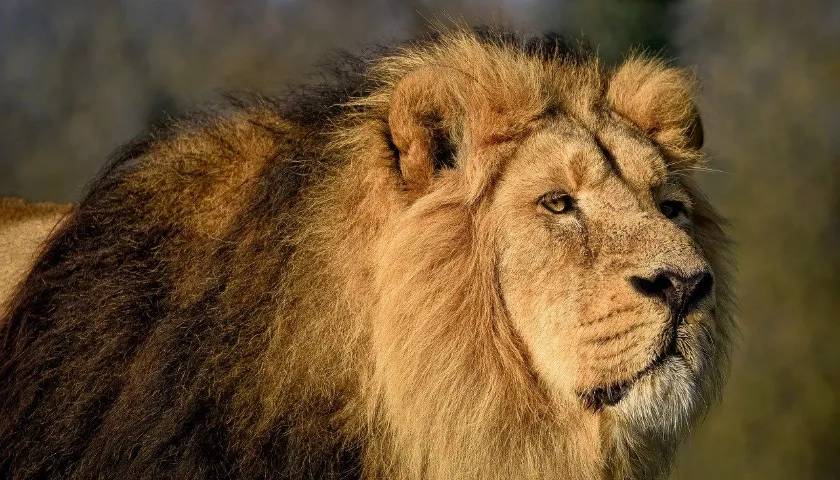
Gir National Park is the only place in the world outside Africa where you can see wild lions, and I have been visiting it for years now. It never gets old. In the 1900s the population of the Asiatic lion was reduced to fewer than 20 animals. Today the population across the wider Gir landscape has grown to more than 890 lions, though only around 390 live within the park's core boundaries, the rest have spread into surrounding community forests and farmland, which is part of the story I get into below. Unlike African lions, which remain spread across a continent, the entire Asiatic lion population was reduced to a single isolated population in one forest, and every lion alive today descends from that handful of survivors. When you understand that history, Gir becomes something more than just a safari destination.
If you want to experience both a tiger safari and a lion safari on a single trip, this is the tour I personally recommend.
The lions of Gir carry themselves differently from their African counterparts. They are slightly smaller, the manes on the males are less voluminous, and they have a fold of skin along the belly that is unique to the Asiatic subspecies. On my visits I have also seen how far they have moved beyond the traditional park boundaries into coastal areas, which has created an unusual relationship between local communities and large predators that I find genuinely fascinating. Guests who ask the right questions during a Gir safari often come away with a far richer understanding of human-wildlife coexistence than they expected.
The dry teak forest of Gir is visually different from any central Indian park and worth appreciating in its own right. Spotted deer, sambar, nilgai, four-horned antelope, and striped hyenas are all present. Gir is in the Saurashtra peninsula of Gujarat and I regularly build itineraries that combine it with the Rann of Kutch, the ancient stepwells of Ahmedabad, and the cave temples at Junagadh. Gujarat as a state rewards travellers who make the effort to see it properly.
Best Time to Visit Gir National Park: October to March is the best time to visit Gir National Park. Avoid the intense heat of April to June.
6. Tadoba Andhari Tiger Reserve, Maharashtra
Best For: Summer tiger photography, dry open terrain, sloth bears, guests visiting India in warmer months

Tadoba Andhari Tiger Reserve is fast becoming one of the most talked-about tiger reserves in India. Tadoba is the largest national park in Maharashtra, covering over 625 square kilometres of dry deciduous teak and bamboo forest, interspersed with open grassland that makes wildlife spotting far easier than in denser jungle parks. The tiger population here has grown strongly, with a density of around 6.46 adult tigers per 100 square kilometres, among the highest in India, and the park now offers some of the best tiger photography in the country.
The terrain here is dry deciduous teak forest with bamboo groves and stretches of open grassland, and the vegetation thins out dramatically in the hot months. When a tiger steps out at Tadoba in April, you see it completely. No broken sight lines through dense monsoon growth. No flash of orange and then nothing. Just a big cat in full view in clean dry light. The central Tadoba Lake is the engine of this experience. As temperatures climb past 40 degrees, tigers visit the lake with remarkable predictability, and the photography that results is among the finest big cat work I have witnessed anywhere in India.
Sloth bears are extraordinarily common here and daylight sightings are routine, which surprises guests who have heard they are nocturnal and shy. Marsh crocodiles line the lake edges in numbers I have not seen matched at any other park. The reserve is roughly two and a half to three and a half hours from Nagpur depending on which gate you're routed to, and Nagpur has direct flights from Delhi, Mumbai, and several other major Indian cities, making logistics straightforward.
Best Time to Visit Tadoba: February to June, April and May for the most concentrated wildlife at water.
7. Jim Corbett National Park, Uttarakhand
Best For: Tigers, elephants, Himalayan foothills scenery, bird watching
Jim Corbett is the oldest national park in India, and in my experience it is one of the most consistently rewarding for international travellers. Part of what makes it work so well is the setting. The Park sits in the lower foothills of the Himalayas in Uttarakhand and the combination of sal forest, the Ramganga River, open grasslands, and distant Himalayan ridges creates a visual landscape that guests photograph constantly even when no large animals are in sight. It is a beautiful park in a way that goes beyond the wildlife inside it.
The Dhikala zone is the best zone for tiger sightings in Corbett, but accommodation there is scarce, just a handful of forest rest house rooms and a small dormitory run by the forest department, and it gets booked months in advance. Access to Dhikala is limited, which is precisely why it is so good for wildlife viewing. The wildlife density inside Dhikala is significantly higher than in the outer zones, and overnight stays inside the park, with elephants often moving through the surrounding grasslands after dark, are among the most memorable experiences in Indian wildlife tourism. Getting a booking there requires planning well in advance. It is worth every bit of that effort.
Jim Corbett National Park is also one of the best for nature lovers, and for guests with a serious interest in bird watching. Over 600 species have been recorded here and the riparian forest along the Ramganga is spectacular for raptors, kingfishers, and forest birds. The Park is about 250 kilometres from Delhi, manageable in a day's drive, which makes it a practical choice for guests with limited time who still want a genuine tiger reserve experience without a long domestic flight.
Best Time to Visit Jim Corbett: November to June is the best time to visit Jim Corbett. Dhikala zone open November to June only.
8. Nagarhole National Park, Karnataka
Best For: Asian Elephants in massive herds, tigers, Kabini River, finest dry season wildlife concentration in South India

If you want to experience nature at its best, Nagarhole National Park is the place to be. It is one of the most beautiful national parks in India. Nagarhole forms part of the Nilgiri Biosphere Reserve in Karnataka's Western Ghats, connected to Bandipur to the south and Wayanad to the west in one of the largest contiguous protected wildlife habitats in Asia. Tigers are present in healthy and growing numbers and sightings at the Kabini zone have improved consistently over the past few seasons. Leopards are seen regularly in the early morning hours along the forest edges near the reservoir. Indian gaur, the world's largest wild cattle, move through here in numbers and the size of a mature male gaur is something that genuinely startles people who encounter one close to the road.
The Kabini River zone in the dry season from March to May produces wildlife concentrations that I honestly compare to the famous dry season spectacles of East Africa. As the reservoir level drops, every animal in the landscape converges on the remaining water. Lodge decks along the river bank at dusk, with elephants crossing in silhouette against the fading light, are moments I have watched guests try to photograph and then put the camera down because nothing they capture does justice to what they are seeing. Nagarhole is two hours from Mysore, a heritage city worth building into any South India wildlife itinerary.
Best time to visit Nagarhole National Park: The best time to visit Nagarhole is between October and May, but if you want to witness the most extraordinary wildlife congregation of the year, plan your visit between March and May when the reservoir drops and every animal in the forest comes to the water.
9. Pench National Park, Madhya Pradesh
Best For: Tigers, leopards, Jungle Book landscape, uncrowded safaris, Central India wildlife circuit

Pench National Park holds a very special place in my heart and there is a reason it made it to my list of 10 best wildlife safaris in India. This is the land that inspired Rudyard Kipling to write The Jungle Book and when you drive through Pench, you understand why. The Pench River winds through rocky outcrops, sal and teak forest, and open scrub grasslands that look exactly as Kipling described them. The landscape here has a raw, untouched quality that is hard to find words for until you are sitting inside it.
The tiger population at Pench has grown significantly over the past few seasons and sighting rates have been excellent. What surprises most of my guests is the leopard activity here. Some of my finest leopard sightings across all of central India have happened at Pench. Indian wild dogs are also spotted with reasonable regularity, which is genuinely rare in most other Indian parks.
Pench also sits at the heart of the Central India wildlife circuit, making it a natural addition to any itinerary that includes Kanha, Bandhavgarh, and Satpura. It connects the whole circuit beautifully and always delivers an experience that guests remember long after the trip is over.
Best time to visit Pench National Park: The best time to visit Pench is between November and June, but if tiger sightings are your priority, plan your trip between February and May when the forest thins out, water sources dry up, and tigers become far more predictable in their movement.
10. Satpura National Park, Madhya Pradesh
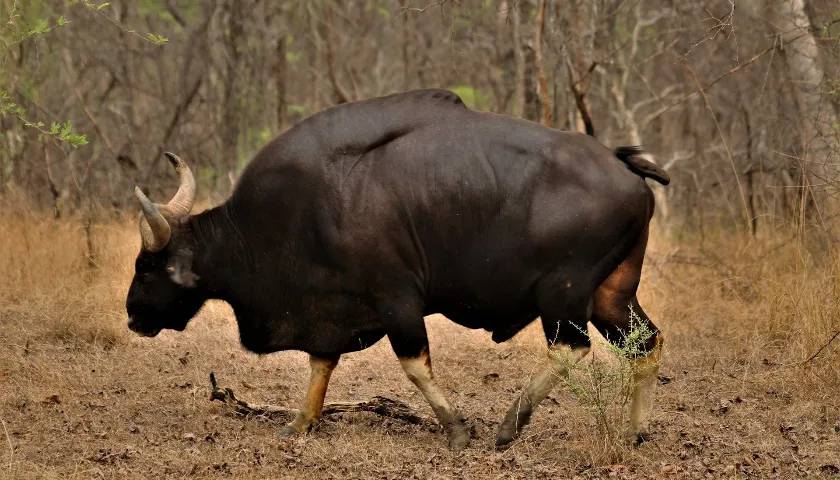
Satpura is not like any other national park in India and that is precisely why it made this list. Most wildlife destinations in India are built around the jeep safari and nothing else. Satpura breaks that completely. This is the only major national park in the country where you can do a walking safari and a boat safari on the Denwa reservoir within the same visit. No other significant tiger reserve in India offers both and that alone makes it extraordinary.
Walking through a forest where tigers, leopards, and sloth bears are active residents is a completely different experience from watching the same jungle from a vehicle. The forest floor tells you stories that no jeep safari ever could. Pugmarks in the mud, claw marks on a tree trunk, the sudden silence that settles over the trees when something large is nearby. It gets under your skin in a way that stays with you.
The boat safari on the Denwa reservoir adds yet another dimension. Mugger crocodiles on the banks, river otters working the shallows, kingfishers and fish eagles overhead. It is peaceful, beautiful, and completely unexpected for a wildlife destination in central India.
Satpura rewards travellers who want depth over density. Every single guest who has visited this park has left with it as their most memorable experience of the entire trip.
Best time to visit Satpura National Park: The best time to visit Satpura is between October and June, with November to February being ideal for walking safaris when the weather is cool and the forest is at its most comfortable for exploring on foot.
Know Before Your Go
Before you pack your bags and head into the Indian jungle, here are a few practical things that will help you get the most out of every safari drive.
- Confirm your wildlife journey atleast 90 days in advance: The core zones of Ranthambore, Corbett's Dhikala, and Bandhavgarh fill up months in advance during the February to May peak. Waiting until two weeks before travel is a significant mistake. For the best safari experience, best sightingss, book your wildlife adventure atleast 90 days in advance.
- Book only core zones: The zone you are allocated inside a park matters as much as the park itself. Every major reserve has multiple zones with dramatically different wildlife densities. Knowing which zones to request, and having the contacts to secure them, changes your entire experience.
- Plan for at least three game drives per park. One drive is a lottery. Two is a reasonable sample. Three drives is when patterns emerge and sighting probabilities rise significantly. I rarely let guests leave any park after fewer than four drives if the schedule allows it.
- Your naturalist guide is the single most important variable in your safari. A great guide reads the forest as a living document. They know the individual tigers by their pugmarks, know where a sloth bear was denning last week, know that a particular waterhole was visited at dawn. That knowledge is the difference between a good safari and a great one.
- Stay as close to your safari gate as possible. The first vehicle into the forest at opening time, before the jungle warms up and animals retreat to shade, is not a minor advantage. It is often the hour when the best sightings of the entire trip happen. When you book your safaris at the last moment, you risk being allocated a gate on the opposite side of the park from your accommodation. This problem occurs most commonly at Kanha National Park and Tadoba, where two gates can be so far apart that reaching the wrong one from your hotel can take up to two hours of early morning travel. Always book your safaris well in advance and make sure the gate you are allocated is close to where you are staying.
- Think in circuits rather than single parks. Central India's top parks, Kanha, Bandhavgarh, Pench, and Satpura, sit close enough together that twelve to fourteen days covers all four without exhausting travel. That combination gives you the most complete picture of Indian wildlife available in a single itinerary.
- Wildlife safaris in India operate under forest department rules and timings that are non-negotiable. Gates open and close at fixed times and no vehicle is permitted to enter or stay beyond those hours. Wear muted, earthy colours, keep noise to a minimum inside the park, and always follow your naturalist guide's instructions. The forest rewards patience and silence every single time.
Plan Your India Wildlife Safari with Alkof Holidays
Alkof Holidays has been designing tailor-made wildlife tours in India since 2011. Our safari specialists have first-hand knowledge of every park on this list and know exactly which zones, lodges, and travel windows will give you the best possible experience.
We handle all safari permit bookings, accommodation inside and around the parks, transport, and expert naturalist guides. Whether you want a short five-day tiger safari in Ranthambore, a comprehensive three-week India wildlife circuit, or anything in between, we will design a trip that fits your schedule, budget, and wildlife goals.
Call or WhatsApp us on +91-9873003099, email info@alkofholidays.com, or click the Plan Your Trip button on our website to send us your travel dates and preferences. We respond to all enquiries within 24 hours.
Turn this article into a tailor-made holiday plan.
Speak with a destination expert for private itinerary ideas, timings, and practical planning help.
Travel ideas
Recommended packages inspired by this article
Move from inspiration to itinerary with curated journeys connected to the places and themes covered above.


 +91-9873003099
 +91-9873003099
 Ask a Question