

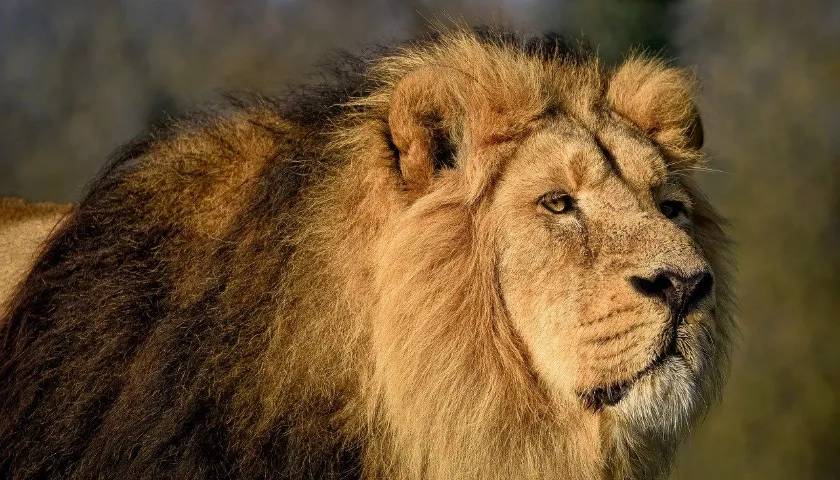
The Asiatic lion, scientifically known as Panthera leo persica, is a symbol of power and grandeur, deeply embedded in the cultural and natural heritage of India. Unlike their African cousins, Asiatic lions are found exclusively in the wild in India, specifically in the Gir Forest National Park in the state of Gujarat. This blog delves into the history, geography, and significance of these majestic creatures, offering a comprehensive travel guide for those who wish to explore their natural habitat.
A Brief History of Asiatic Lions
Historical Significance: Asiatic lions once roamed vast stretches of the Middle East and the Indian subcontinent. Their presence in ancient history is well-documented through various scripts, artifacts, and sculptures, symbolizing royalty and bravery. Historically, they were found across Northern India, Persia, and Mesopotamia. However, extensive hunting and habitat loss drastically reduced their numbers over the centuries.
Conservation Efforts: By the late 19th century, the Asiatic lion population plummeted to alarming levels, leading to their near extinction. Recognizing the critical situation, the Nawab of Junagadh, a princely state in Gujarat, implemented stringent protection measures in the early 20th century. The establishment of Gir Forest as a protected area marked a turning point in conservation efforts. Today, due to continued conservation initiatives, the population has rebounded to over 600 individuals, making it a successful example of wildlife conservation.
Geography of the Gir Forest
The Habitat: Gir Forest National Park and Wildlife Sanctuary, located in the southwestern part of Gujarat, is the last refuge of the Asiatic lion. Spanning an area of approximately 1,412 square kilometers, the park comprises a diverse landscape of dry deciduous forests, evergreen patches, scrubland, and grasslands. The forest is interspersed with perennial rivers and reservoirs, providing essential water sources for the wildlife.
Climate and Flora: The climate in Gir Forest is characterized by hot summers, mild winters, and a monsoon season. This varied climate supports a rich diversity of flora, with over 400 plant species. The dominant vegetation includes teak, acacia, and banyan trees, alongside a variety of grasses and shrubs that provide ample cover and sustenance for the lions and other herbivores.
The Unique Traits of Asiatic Lions
Physical Characteristics: Asiatic lions are slightly smaller than their African counterparts, with males typically weighing between 160 to 190 kilograms and females between 110 to 120 kilograms. One distinctive feature of the Asiatic lion is the longitudinal fold of skin running along its belly, which is absent in African lions. Their manes are also shorter and less developed, giving them a unique appearance.
Social Structure: Unlike the large prides seen in African lions, Asiatic lions tend to form smaller social groups. A typical pride consists of a dominant male, several females, and their cubs. Males are known to form coalitions, usually with their brothers, to defend their territory and pride. These social structures are critical for maintaining the genetic diversity and stability of the population.
Travel Guide: Exploring Gir Forest
Best Time to Visit: The ideal time to visit Gir Forest National Park is between November and March when the weather is pleasant and wildlife sightings are more frequent. The park remains closed during the monsoon season, from mid-June to mid-October, to allow for the natural regeneration of the forest and its wildlife.
Getting There: Gir Forest is accessible by road, rail, and air. The nearest airport is in Diu, approximately 110 kilometers away, while the nearest railway station is in Junagadh, about 65 kilometers from the park. Regular buses and taxis are available from these points to Sasan Gir, the gateway to the national park.
Safari Experience: Exploring the Gir Forest is best done through guided jeep safaris, which are conducted by the forest department. These safaris offer a chance to witness not only the majestic Asiatic lions but also other wildlife such as leopards, antelopes, deer, and a variety of bird species. Safaris are typically conducted early in the morning and late in the afternoon, when the animals are most active.
Accommodation: A range of accommodation options is available around Gir Forest, catering to different budgets and preferences. From luxury resorts and eco-lodges to budget hotels and guesthouses, visitors can choose according to their needs. Staying in these accommodations offers an immersive experience, often including additional activities like nature walks and birdwatching tours.
Conservation and Responsible Tourism
The Role of Tourism: Tourism plays a significant role in the conservation of Asiatic lions by generating revenue that supports the park's management and conservation efforts. However, it is crucial to engage in responsible tourism practices to minimize the impact on the wildlife and their habitat.
Tips for Responsible Tourism
- Follow Guidelines: Adhere to the rules and regulations set by the park authorities, including maintaining silence and keeping a safe distance from the animals.
- Eco-friendly Practices: Opt for eco-friendly accommodations and avoid the use of plastic and other non-biodegradable materials.
- Support Local Communities: Engage with and support local communities through responsible purchasing and participation in cultural activities, which can foster a positive relationship between conservation efforts and local livelihoods.
The Asiatic lions of Gir Forest are a testament to successful wildlife conservation and the resilience of nature. Exploring their habitat offers not only the thrill of encountering these majestic creatures but also a profound connection with India's rich natural heritage. By visiting Gir Forest and engaging in responsible tourism, you contribute to the ongoing efforts to protect and preserve the last remaining population of Asiatic lions. Plan your visit today and embark on a journey that promises to be both exhilarating and enlightening.
Turn this article into a tailor-made holiday plan.
Speak with a destination expert for private itinerary ideas, timings, and practical planning help.
Travel ideas
Recommended packages inspired by this article
Move from inspiration to itinerary with curated journeys connected to the places and themes covered above.


 +91-9873003099
 +91-9873003099
 Ask a Question