
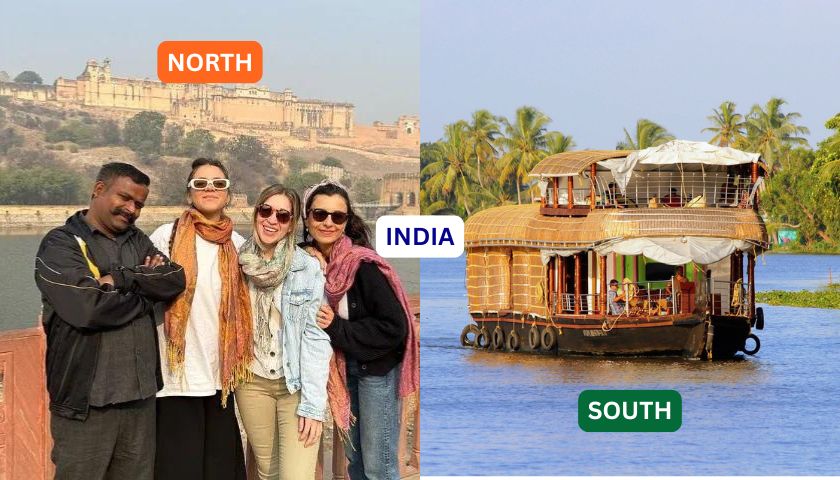
India’s sheer size and diversity mean that no two regions experience weather the same way. Whether you're exploring the snow-capped Himalayas in the north or the palm-fringed backwaters of Kerala in the south, timing your visit is crucial to make the most of your journey.
In this guide, we break down the best time to visit North and South India, so you can plan your trip based on the experiences you’re looking for.
☀️ North India – Best Time to Visit
Best Season: October to March
North India experiences extreme weather: hot summers, a monsoon season, and cold winters. For pleasant weather, cultural festivals, and sightseeing, the cooler months from October to March are ideal.
Autumn & Winter (October to March)
- Weather: Clear skies, cooler temperatures (5°C to 25°C depending on the location).
- Ideal For: Sightseeing, outdoor activities, photography, wildlife safaris.
- Popular Destinations: Delhi, Agra, Jaipur, Varanasi, Rajasthan, Rishikesh, Shimla, Amritsar.
- Festivals: Diwali (Oct/Nov), Pushkar Camel Fair (Nov), Holi (Mar), Republic Day (Jan 26).
Why visit North India from October to March?
This is the best time to visit the Golden Triangle (Delhi–Agra–Jaipur), go on a tiger safari in Ranthambore or Bandhavgarh, or enjoy the desert charm of Rajasthan. The weather is also ideal for exploring spiritual centers like Varanasi or Rishikesh.
Summer (April to June)
- Weather: Very hot (30°C to 45°C in plains).
- Recommended For: Hill stations like Manali, Shimla, Nainital, Dharamshala, Leh-Ladakh.
- Avoid: Cities like Delhi, Jaipur, and Agra due to heat.
Please Note: April and May are excellent months for tiger sightings, as rising temperatures prompt wild animals to emerge from the dense forest in search of water at nearby ponds. However, do keep in mind that the weather can be scorching during this period.
Monsoon (July to September)
- Weather: Heavy rainfall in most areas.
- Travel Tip: While not ideal for most cities, monsoon paints the Himalayan regions lush and green.
- Good For: Valley treks in Ladakh, Spiti, and Kashmir during the rain-shadow season.
🌴 South India – Best Time to Visit
Best Season: November to March
Compared to the north, South India enjoys a tropical climate that remains warm throughout the year, but some months are more favorable depending on your goals—be it beaches, temples, or Ayurveda retreats.
Winter (November to March)
- Weather: Pleasant and dry (20°C to 32°C).
- Ideal For: Beach vacations, houseboat cruises, heritage tours, wildlife safaris.
- Popular Destinations: Kerala, Tamil Nadu, Karnataka, Pondicherry, Hampi, Andaman Islands.
- Festivals: Pongal (Jan), Onam (Aug/Sept), Mahabalipuram Dance Festival (Dec/Jan).
Why visit South India from November to March?
From the tranquil backwaters of Kerala to the magnificent temples of Tamil Nadu and the coffee estates of Coorg, the winter months offer ideal weather for exploring the cultural and natural beauty of South India.
Summer (April to June)
- Weather: Hot and humid, especially in coastal areas.
- Travel Tip: Cooler in the Western Ghats and hill stations like Munnar, Ooty, and Wayanad.
- Good For: Ayurveda retreats (as summer is considered detox time in Ayurveda), fewer tourists.
Monsoon (June to October)
- Weather: Heavy to moderate rainfall depending on region.
- Highlights: Lush landscapes, romantic rain-soaked destinations, fewer crowds.
- Best Experiences: Monsoon Ayurveda treatments in Kerala, scenic beauty of Coorg and Chikmagalur.
- Choose North India if you're interested in forts, palaces, spirituality, or the Himalayas—especially between October and March.
- Choose South India for tropical beauty, Ayurveda, temples, or beach escapes, ideally from November to March.
Why not both? Combine the historical richness of the north with the natural charm of the south for a balanced and unforgettable journey.
Ready to plan your trip to India?
📩 Contact Alkof Holidays and our travel experts will customize the perfect itinerary based on your preferences and travel dates.