
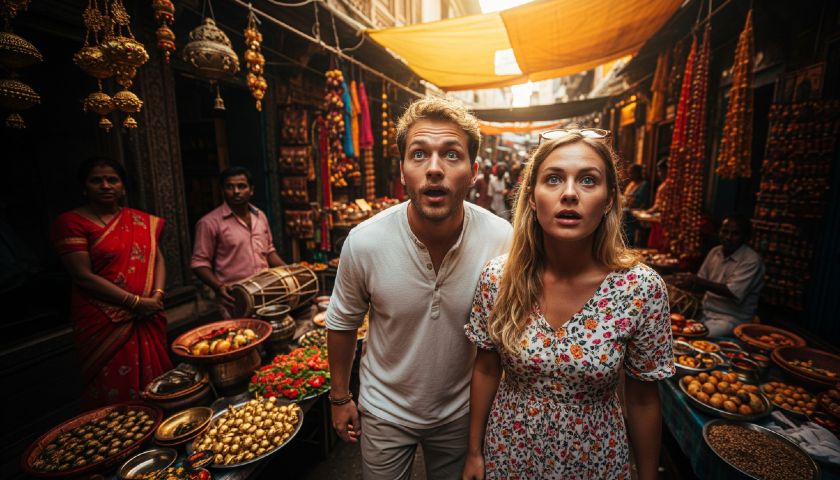
India is a land of incredible contrasts, vibrant colors, ancient traditions, and unparalleled hospitality. For first-time travelers from the West, it promises an adventure like no other – a sensory explosion that will captivate your mind and soul. While the thought of planning such a journey might seem daunting, with a little preparation and the right mindset, your first trip to India can be seamless and utterly unforgettable.
Here's a step-by-step guide to help you plan your inaugural Indian odyssey:
1. The All-Important Visa: Your Gateway to IndiaThe very first step is securing your Indian Visa. Most Western travelers (from the USA, UK, Canada, Australia, and European countries) are eligible for an e-Visa, which simplifies the process considerably.
- e-Visa: This is typically the most convenient option. You apply online through the official Indian government website, upload your documents (passport copy, passport-style photo), and pay the fee. Once approved, you receive an Electronic Travel Authorization (ETA) via email, which you print and present upon arrival. e-Visas are available for various durations (e.g., 30-day, 1-year, 5-year multi-entry) depending on your nationality and purpose of visit.
- Traditional Visa: If you're not eligible for an e-Visa or prefer a traditional stamp in your passport, you'll need to apply through the Indian Embassy or Consulate in your home country. This process can take longer and may require an in-person appointment.
- Key Tip: Apply for your visa well in advance (at least 2-3 months before your trip) to account for any unforeseen delays. Ensure your passport has at least six months of validity beyond your intended departure date from India and at least two blank pages.
India's vastness means diverse climates. Choosing the right time depends on where you plan to visit:
- October to March: Generally considered the best time to visit most of India. The weather is pleasant, sunny, and dry across popular tourist regions like Rajasthan, Goa, Kerala, and the Golden Triangle (Delhi, Agra, Jaipur).
- April to May: Temperatures begin to rise significantly, especially in central and northern India. This can be a good time for wildlife spotting (animals congregate around waterholes) or escaping to cooler hill stations in the Himalayas.
- June to September: The monsoon season. While some regions experience heavy rainfall, this period brings lush greenery and can be ideal for destinations like Ladakh (in the Himalayas, which is a high-altitude desert and receives little rain) or specific regions in the south. Travel during monsoon can mean disruptions but also fewer crowds and a unique atmosphere.
For a first-timer's comprehensive tour, October to March is highly recommended.
3. Crafting Your Itinerary: Where to Begin?India offers an overwhelming array of experiences. For your first trip, it's wise to focus on a region or a popular circuit to avoid feeling rushed.
- The Golden Triangle (Delhi - Agra - Jaipur): This is the quintessential first-timer's itinerary, offering an excellent introduction to India's history, culture, and iconic landmarks like the Taj Mahal.
- Rajasthan: Extend your Golden Triangle trip to include the majestic forts and palaces of Rajasthan – Udaipur, Jodhpur, Jaisalmer, Pushkar.
- Kerala (South India): For a more relaxed, tropical experience, explore the backwaters of Kerala, pristine beaches, and Ayurvedic traditions.
- Himalayan Foothills: If you're drawn to mountains and spirituality, destinations like Rishikesh, Haridwar, or Dharamshala offer a different pace.
Recommendation: Don't try to see everything. Focus on 2-3 regions that genuinely appeal to you to allow for deeper immersion and less travel fatigue.
4. Health & Safety: Preparing for a Healthy JourneyA little preparation goes a long way in ensuring a healthy trip:
- Consult Your Doctor: At least 6-8 weeks before your trip, visit a travel clinic or your doctor. They will advise on recommended vaccinations (e.g., Hepatitis A & B, Typhoid, Tetanus, Polio, Measles/Mumps/Rubella) and potentially anti-malarial medication depending on your itinerary.
- Medication: Bring any prescription medications in their original packaging, along with a doctor's note. Pack a basic first-aid kit with pain relievers, anti-diarrhea medication, antiseptic wipes, and band-aids.
- Water Safety: ONLY drink bottled water. Avoid tap water, ice made from tap water, and unpeeled fruits or uncooked vegetables washed with tap water.
- Food Safety: While Indian food is delicious, be mindful. Eat at reputable restaurants, opt for freshly cooked, hot food. Street food can be amazing but exercise caution.
- Mosquito Protection: Use insect repellent (especially those with DEET) and consider wearing long sleeves and pants in the evenings, particularly in tropical or rural areas.
- Clothing: India is generally warm, so pack lightweight, breathable fabrics (cotton, linen). Dress modestly – covering shoulders and knees is respectful, especially when visiting religious sites. Loose-fitting clothes are comfortable in the heat. A light scarf for women is versatile for covering heads in temples or protecting from the sun.
- Footwear: Comfortable walking shoes are essential for exploring cities and monuments. Sandals or flip-flops are good for relaxing.
Essentials:
- Universal travel adapter and power bank.
- Hand sanitizer and wet wipes.
- Sunscreen, hat, and sunglasses.
- Small daypack for excursions.
- Copies of important documents (passport, visa, insurance).
- Domestic Flights: For covering long distances quickly between major cities (e.g., Delhi to Udaipur, Mumbai to Kochi), domestic flights are efficient.
- Trains: India's railway network is extensive and an experience in itself. Book well in advance, especially for popular routes and higher classes (AC 2-tier or AC 3-tier) for comfort.
- Private Car with Driver: This is often the most comfortable, flexible, and convenient option for touring specific regions like Rajasthan. It eliminates the hassle of navigating and dealing with local transport.
- Local Transport: Taxis (Uber/Ola are widely available in cities), auto-rickshaws (tuk-tuks), and metro systems (in Delhi, Mumbai, etc.) are common for shorter distances. Always agree on a price beforehand or ensure the meter is used.
- Greetings: A "Namaste" (palms together, slight bow) is a respectful greeting.
- Dress Code: As mentioned, modest clothing is appreciated, especially in religious places.
- Hands: Use your right hand for giving, receiving, and eating, as the left hand is generally considered impure.
- Footwear: Remove your shoes before entering temples, mosques, gurdwaras, and often private homes.
- Bargaining: In local markets, bargaining is expected and part of the experience, but always do so politely and with a smile.
- Photography: Always ask for permission before photographing people, especially women and children.
- Public Displays of Affection: Keep public displays of affection to a minimum.
- Currency: The Indian Rupee (INR).
- Cash: While cards are accepted in many hotels and larger stores, cash is king for street vendors, small shops, and local transport. Carry smaller denominations.
- ATMs: Widely available in cities. Inform your bank of your travel plans to avoid card blocks.
- Tipping: Tipping is customary for drivers, guides, hotel staff, and in restaurants. A small amount is appreciated.
Planning your first trip to India from the West is an exciting journey in itself. Embrace the differences, be open to new experiences, and allow yourself to be captivated by the incredible tapestry of sights, sounds, and flavors that await you. With proper planning and a spirit of adventure, India will undoubtedly leave an indelible mark on your heart.
Ready to Plan Your Unforgettable Journey to India?Navigating the complexities of planning an international trip to a country as diverse as India can be challenging. That's where Alkof Holidays comes in.
As experienced destination experts, we specialize in crafting personalized and hassle-free travel experiences for international travelers from the USA, Europe, Australia, and beyond. From securing comfortable accommodation and reliable transportation to arranging expert local guides and ensuring 24/7 support across time zones, we handle all the logistics so you can focus purely on immersing yourself in the magic of India.
Whether you dream of exploring the royal palaces of Rajasthan, cruising the tranquil backwaters of Kerala, embarking on a thrilling wildlife safari, or embarking on a spiritual pilgrimage, we can create the perfect itinerary tailored to your interests, pace, and budget.
Contact Alkof Holidays today to book your dream trip or to customize a unique journey to India. Let us make your first Indian adventure truly extraordinary!