





Talk to an Expert
Call our travel team for immediate guidance on itineraries, pricing, and trip planning.
+91-9873003099 Alternate line: +91-9717930209Panna National Park is a tiger reserve in the Panna and Chhatarpur districts of Madhya Pradesh that carries one of the most remarkable conservation stories in modern Indian wildlife history. The park was declared virtually tigerless around 2009 due to severe poaching, a devastating blow that shocked the conservation community. However, through a bold and carefully managed tiger relocation program, tigers were brought in from other reserves and reintroduced into Panna. Today the park has a healthy and growing tiger population and has become a symbol of what is possible when conservation efforts are taken seriously and implemented well.
Panna National Park covers about 543 square kilometers and is set in a stunning landscape of Ken River gorges, rocky plateaus, dense forests, and grassy clearings. The Ken River, which flows through the heart of the park, is one of the cleanest rivers in Madhya Pradesh and is home to gharials (Indian crocodilians), marsh crocodiles, smooth-coated otters, and the highly endangered Indian skimmer bird. The park is also part of the Ken-Betwa River Link Project area, making it an important ecological zone. Boat safaris on the Ken River are available and offer a completely different perspective on the wildlife compared to standard jeep safaris. Beyond tigers, Panna has leopards, wolves, striped hyenas, sloth bears, chital, nilgai, chinkara, and a rich birdlife including the critically endangered vulture species that have found refuge here. The famous Panna diamond mines and the historic temples of Khajuraho are located very close to the park, making it easy to combine a wildlife visit with a cultural heritage experience.
This Panna National Park travel guide covers the best time to visit, safari and boat safari information, nearby attractions, and travel tips to help you plan a rewarding trip to this revived and inspiring tiger reserve.

Foreign travelers visiting Panna National Park must hold a valid passport and an Indian tourist visa. India offers several visa options, including the convenient e-Visa, which can be applied for online and is typically approved within a few days. Ensure that your passport is valid for at least six months from your date of arrival in India.
To enter Panna National Park, all visitors—Indian and foreign—must obtain a safari permit issued by the Madhya Pradesh Forest Department. These permits are mandatory for jeep safaris. Since Panna is a popular wildlife destination and safari permits are limited, advance booking is strongly recommended, especially during peak season (October to June).
At the park gate, travelers must carry a valid photo ID (passport for foreign nationals, Aadhaar or similar ID for Indian nationals). No separate entry permit is required beyond the safari permit. Visitors should also follow all forest guidelines, including designated safari timings, vehicle limits, and eco-friendly practices to help protect the park’s fragile ecosystem.
With the necessary visa and safari permits arranged in advance, your visit to Panna National Park will be smooth, organized, and fully aligned with conservation protocols.
Winter (October to February)
October to February is a great time to visit Panna. The weather is cool and comfortable, with temperatures ranging from 8 to 22 degrees Celsius. The park is at its most lush in October and November after the monsoon and wildlife sightings including tigers, leopards, and a variety of deer are frequent. The Ken River boat safari is most enjoyable during the winter months when the weather is cool and the river is full but calm. Migratory birds also arrive at the Ken River during winter, adding to the birdwatching experience.
Summer (March to June)
Summer is the best time for tiger sightings in Panna. As the temperature rises and water sources diminish, tigers and other predators become more active around the river and remaining water holes. The vegetation opens up in April and May, improving visibility considerably. The Ken River boat safari is also rewarding during summer as water levels drop and animals come to the riverbanks more frequently. The park closes in late June for the monsoon.
Monsoon (July to September)
Panna National Park is closed to visitors during the monsoon season, typically from early July to the end of September.


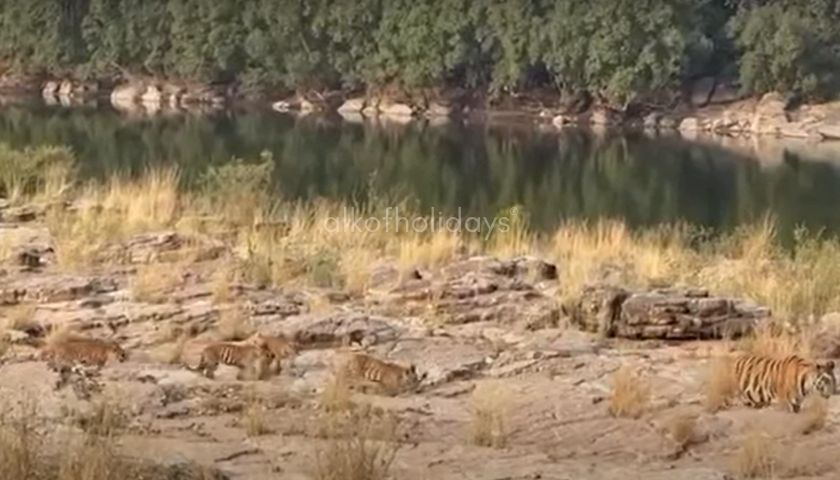
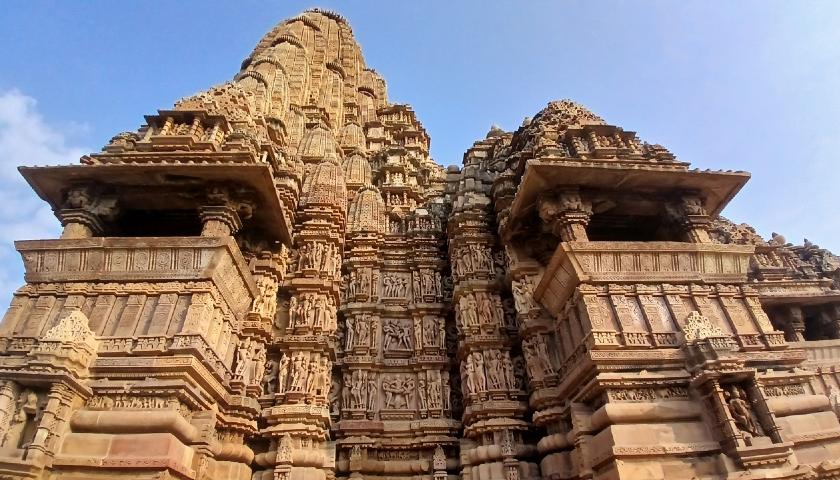
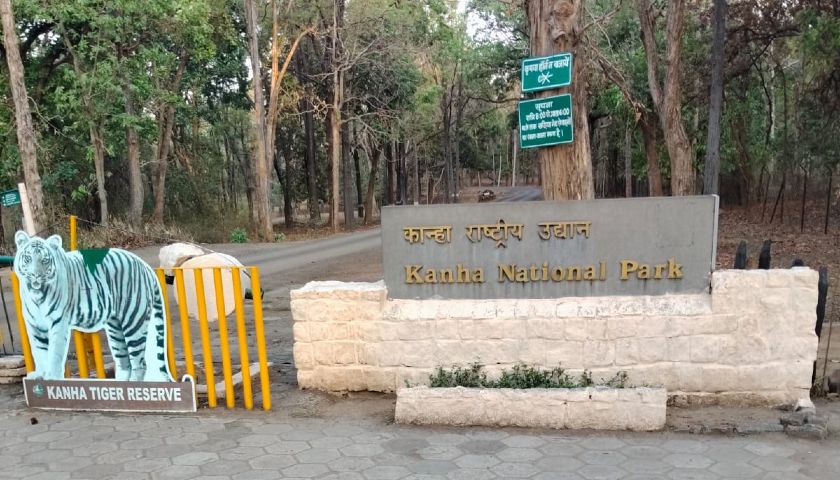
Discover which National Park gives you the best tiger sighting chances in Central India. Is it Bandhavgarh, Panna, Kanha, or Pench?
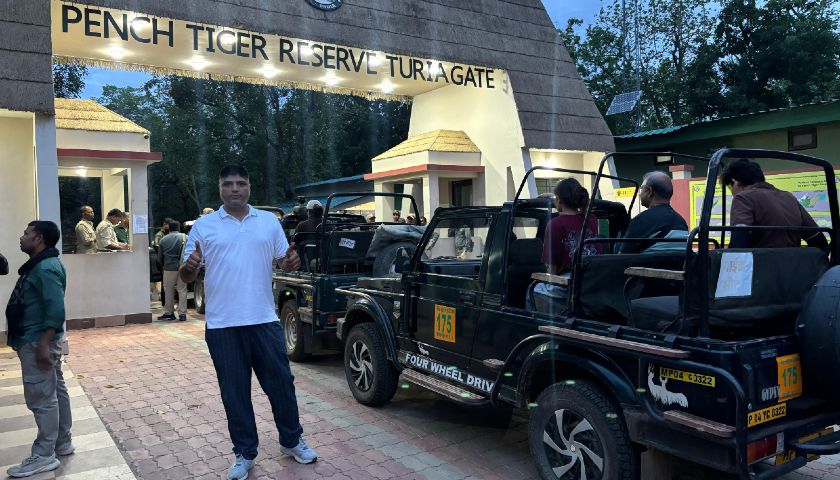
Our ground team inspected four Central India tiger reserves in June 2026. Here is what we found.

Mid-March to June brings peak tiger sightings across Bandhavgarh, Kanha, Pench, and Panna as water sources shrink.
Customize your personalized adventure with our custom trip planner. It just takes 2 minutes!
Plan Your TripNeed quick help?
Talk to an expert, message us on WhatsApp, email your travel plans, or use our mailing address whenever you need direct assistance.
Call our travel team for immediate guidance on itineraries, pricing, and trip planning.
+91-9873003099 Alternate line: +91-9717930209Get quick answers, itinerary help, and direct support from our team on WhatsApp.
Start WhatsApp ChatShare your travel dates, preferences, or questions and our team will respond with care.
info@alkofholidays.comAlkof Holidays Private Limited
Flat No. 616 / 21, DDA Flats, Madangir,
New Delhi-110062, India
24x7 support, ensuring assistance anytime, anywhere for a seamless travel experience
 +91-9873003099
 +91-9873003099
 Ask a Question