
Almost every traveler planning a Central India tiger safari asks us the same question first. Which park is better, Bandhavgarh or Kanha. It is a fair question, because the answer changes how many safaris you book at each park and how you plan the rest of your trip.
My name is Sanjeev Sharma. I have been planning wildlife safaris for travelers coming to India since 2011, and somewhere along the way I stopped thinking of myself as just a tour operator and became a genuine nature lover. I visit national parks across India regularly, sit through safaris myself, and spend time with our local team on the ground, because that is the only way to give a traveler an honest answer instead of a guess.
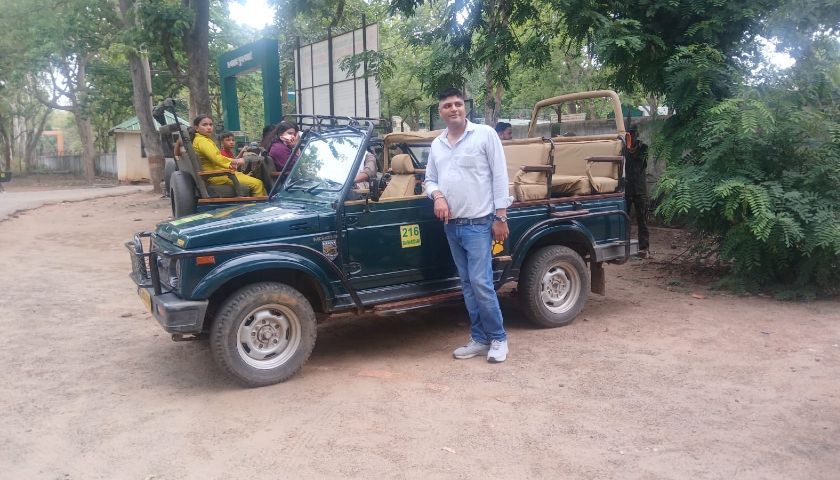
In June 2026, I traveled to Central India with my colleague Abhinash to meet our ground team in Panna and check in with hotel partners ahead of the coming season. During the visit, we completed eight jeep safaris across Panna, Bandhavgarh, Kanha, and Pench, met local naturalists, inspected safari lodges, and spoke with guides working inside each reserve. This comparison is based on what we actually saw and heard on those drives, not just park statistics.
About Bandhavgarh National Park
Bandhavgarh National Park sits in the Vindhya Hills of Madhya Pradesh and covers close to 1536 square kilometers of core and buffer forest. It was once the private hunting ground of the Maharajas of Rewa, and today it holds the highest tiger density of any park in Central India. The park is split into four zones, and Tala is the best known among them for tiger sightings. Alongside its wildlife, the park carries real history too. The old Bandhavgarh Fort still stands inside the park boundary and is tied to local legends that go back centuries.
Bandhavgarh is not only about tigers. Leopards, sloth bears, Indian gaur, and over 250 species of birds live inside the park, and the mix of sal forest, bamboo groves, and rocky hills gives every safari a slightly different backdrop.
About Kanha National Park
Kanha is one of India's largest tiger reserves, spread across roughly 2052 square kilometers, with a core zone of about 917 square kilometers and a buffer zone making up the rest. It is also located in Madhya Pradesh and is known for the kind of landscape most people picture when they imagine Central India, open grasslands called maidans, dense sal forest, and bamboo thickets. Kanha is the forest that inspired Rudyard Kipling to write The Jungle Book, and the park has stayed one of the best managed reserves in the country since.
Kanha is home to a wide spread of wildlife beyond tigers, including leopards, Indian wild dogs known as dholes, sloth bears, and the Barasingha, a swamp deer that was brought back from near extinction here and is now the symbol of the park.
What We Actually Saw in Bandhavgarh
Based on our safaris this June, Bandhavgarh is still the strongest park in Central India for tiger sightings. The reserve holds more than 120 tigers within about 1536 square kilometers, and a large share of that population lives inside the core zones open to safari jeeps. That combination of numbers and limited space is why sighting chances here stay ahead of almost every other park in the country.
I want to be honest about something though. In May 2026, Bandhavgarh lost Pujari, one of its most recognized male tigers, in a territorial fight in the Khitauli range. Pujari had been photographed and followed by thousands of visitors over the years, and guides who had watched him across seasons felt the loss personally. But the park has not lost its strength. New males are already establishing territory, the overall population remains large, and sighting rates here are still the best in India.
Beyond tigers, we also had strong sightings of wild elephants and gaur during our safaris, which added something extra to nearly every drive.
Best time to visit Bandhavgarh: March to May gives you the highest chance of a tiger sighting, since water sources shrink and tigers move more in the open. October to February brings cooler weather and easier visibility, though sightings during these months can take a little more patience.
Also read, The Tusker That Held Our Jeep Hostage for 45 Minutes in Bandhavgarh
What We Actually Saw in Kanha
Kanha is a different kind of park, and in some ways a more beautiful one. The sal forests, the open Kanha meadow, Barasingha grazing in the grasslands, and gaur herds moving through at dawn create a landscape unlike anywhere else in Central India. We have visited Kanha several times now, and every visit leaves us wanting to come back.
That said, Kanha is a genuinely large park, and only a fraction of it is open to visitors. Because the accessible core is spread wide, tiger density in any single area is lower than in Bandhavgarh. You can have a full, good safari here and still not see a tiger, not because tigers are absent, but because the forest gives them far more room to be somewhere else.
There is also something more serious we think travelers should know before they plan. Between 2025 and 2026, Kanha lost a tigress and several of her cubs in the Mukki zone, in what is suspected to be an outbreak of Canine Distemper Virus. It affected sighting patterns in parts of the park, and we would rather tell you this directly than have you find out after booking.
During our June trip, our naturalist in Kanha also told us about an incident from earlier in the season. Two adult male tigers fought over a tigress for two full days in the Kanha zone. Guides watched it happen across both days, and visitors recorded parts of it on video cameras, which are allowed inside the core zone even though phones are not. The tigress stayed nearby and watched the fight from a distance. Both males eventually died from their injuries. It is not the kind of story that makes the news, but every guide and driver working in that forest knows it happened, and it says something about how much pressure a growing tiger population is putting on the space available to it.
Kanha's overall tiger numbers are still healthy, and the forest department is watching the situation closely. But being honest about sighting chances specifically, we cannot currently rank Kanha above Bandhavgarh.
During our visit, we explored the forest with local naturalists, cycled through the buffer zone, visited nearby villages, and discussed how tiger sightings have changed in recent seasons. This short video gives you a better idea of what a Kanha safari feels like beyond simply looking for tigers.
Load this video to contact its provider for this page, or enable External Media in Cookie Settings.
There is good news too. If you visit and get a bit lucky, you may come across Chota Bajrang, a young male tiger who has been catching the attention of guides and visitors this season. A sighting like that tends to stay with people.
Kanha also offers something the other Central India parks do not, a morning cycling ride through the buffer zone and visits to villages close to the park, which show a different side of the forest and the people who live around it.
Best time to visit Kanha: March to May, when the meadow looks its best in the early morning light.
Bandhavgarh vs Kanha at a Glance
Bandhavgarh Kanha Area About 1536 square kilometers About 2052 square kilometers Tiger population 120 plus, concentrated in the core Large, but spread across a wider area Sighting odds per safari Highest in Central India Lower per drive, more patience needed Landscape Rocky hills, dense sal forest, bamboo Open meadows, sal forest, bamboo thickets Signature wildlife beyond tigers Wild elephants, gaur, leopards Barasingha, dholes, leopards Recent development Loss of male tiger Pujari, May 2026 Suspected CDV outbreak in Mukki zone, 2025 to 2026 Something extra Ancient Bandhavgarh Fort inside the park Morning cycling in buffer zone, village visits
So Which Should You Choose
If seeing a tiger is the main reason for your trip and you only have a few days, Bandhavgarh currently offers the best chance of seeing a tiger. If you have more time and want a fuller wildlife and landscape experience, even with a slightly lower chance of a tiger on any single drive, Kanha is worth building into your route.
Based on my recent visit, my personal recommendation is our 7 day Central India Wildlife Tour
It includes Bandhavgarh, Kanha, and Pench, with two private jeep safaris in each park, giving you an excellent balance between tiger sightings, wildlife diversity, and the unique landscapes of Central India.
Many of our travelers do not have to choose between the two at all. We regularly build itineraries that cover both parks, often along with Pench and Panna, so you get the full range of what Central India offers in one trip.
We were on the ground in both parks, and we visit these national parks regularly because conditions, tiger movements, and safari experiences change from season to season. As we continue exploring these forests, we will keep this article updated with our latest observations and firsthand experiences. If you are planning a Central India tiger safari and need honest advice based on recent visits, feel free to get in touch. We would be happy to help you build an itinerary that matches your interests, travel style, and the wildlife experiences you hope to enjoy.